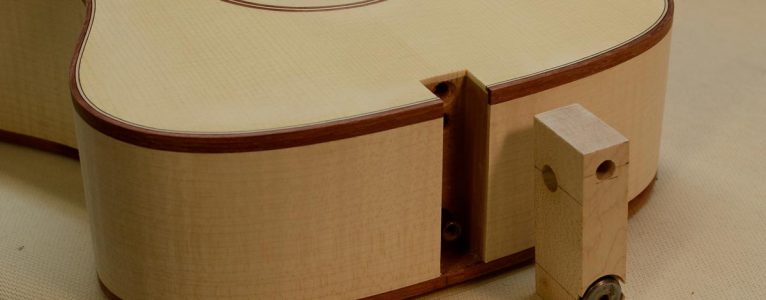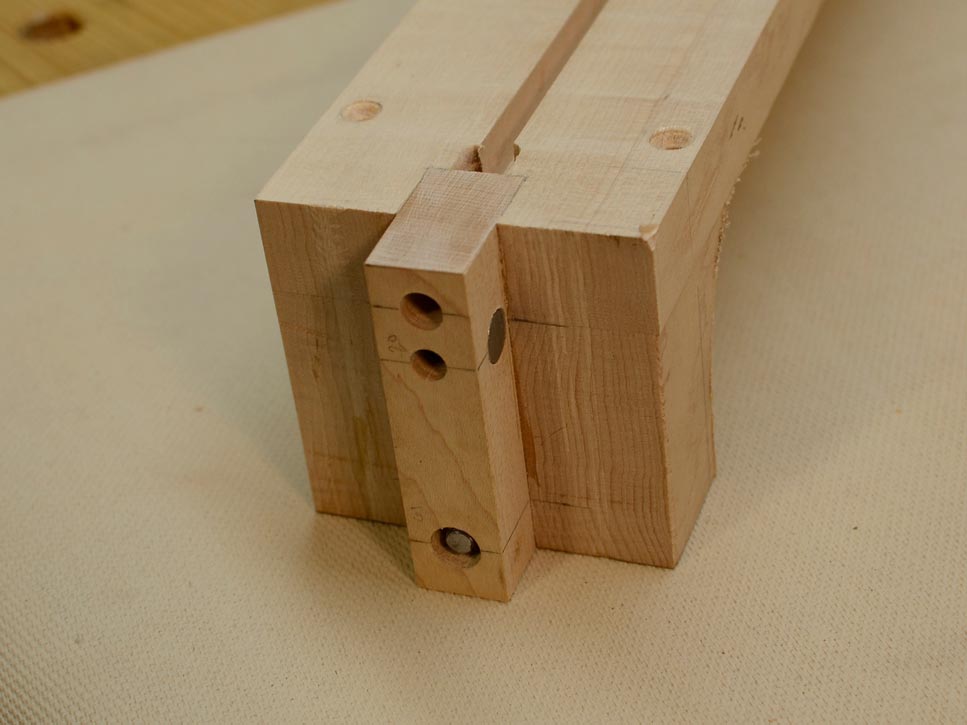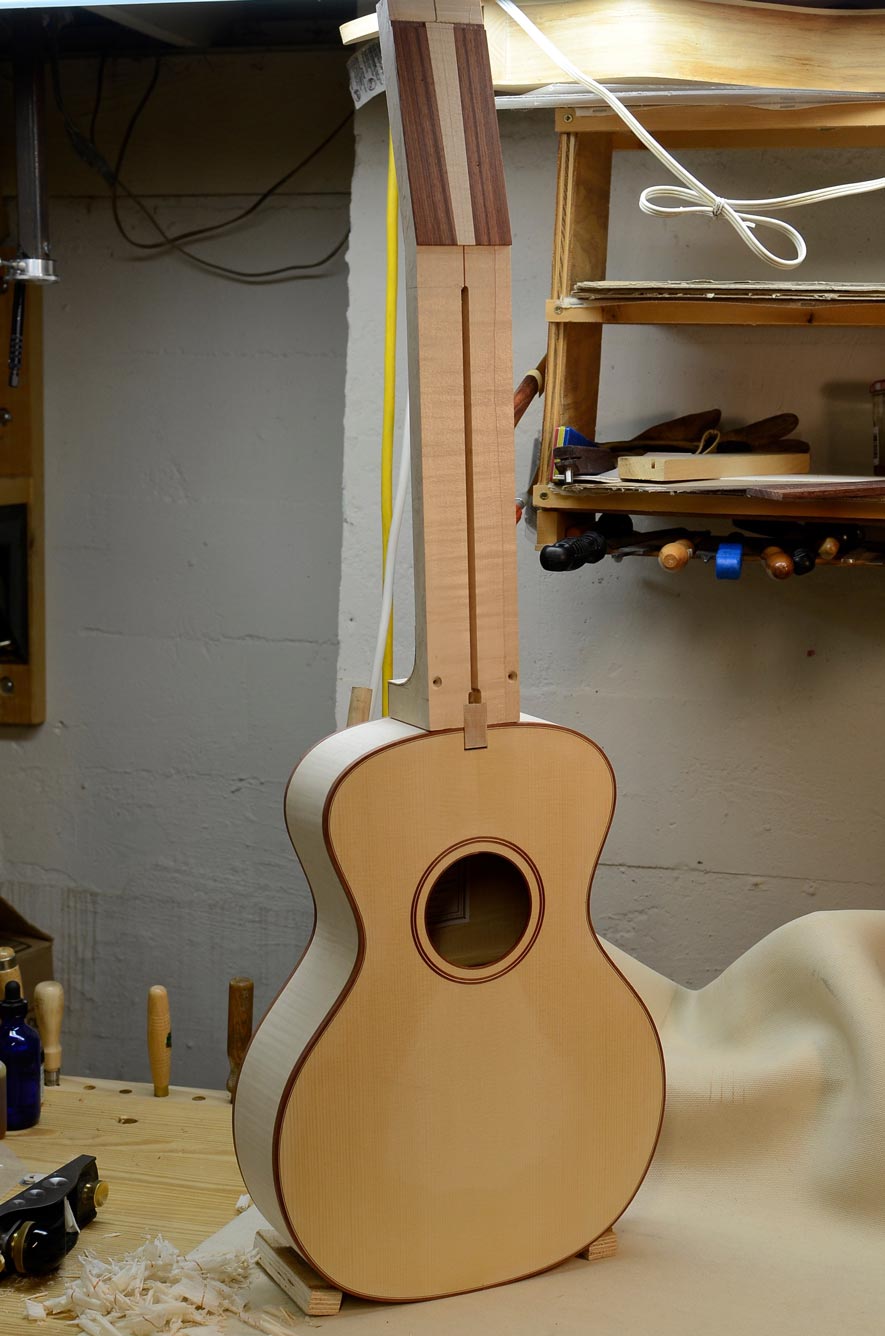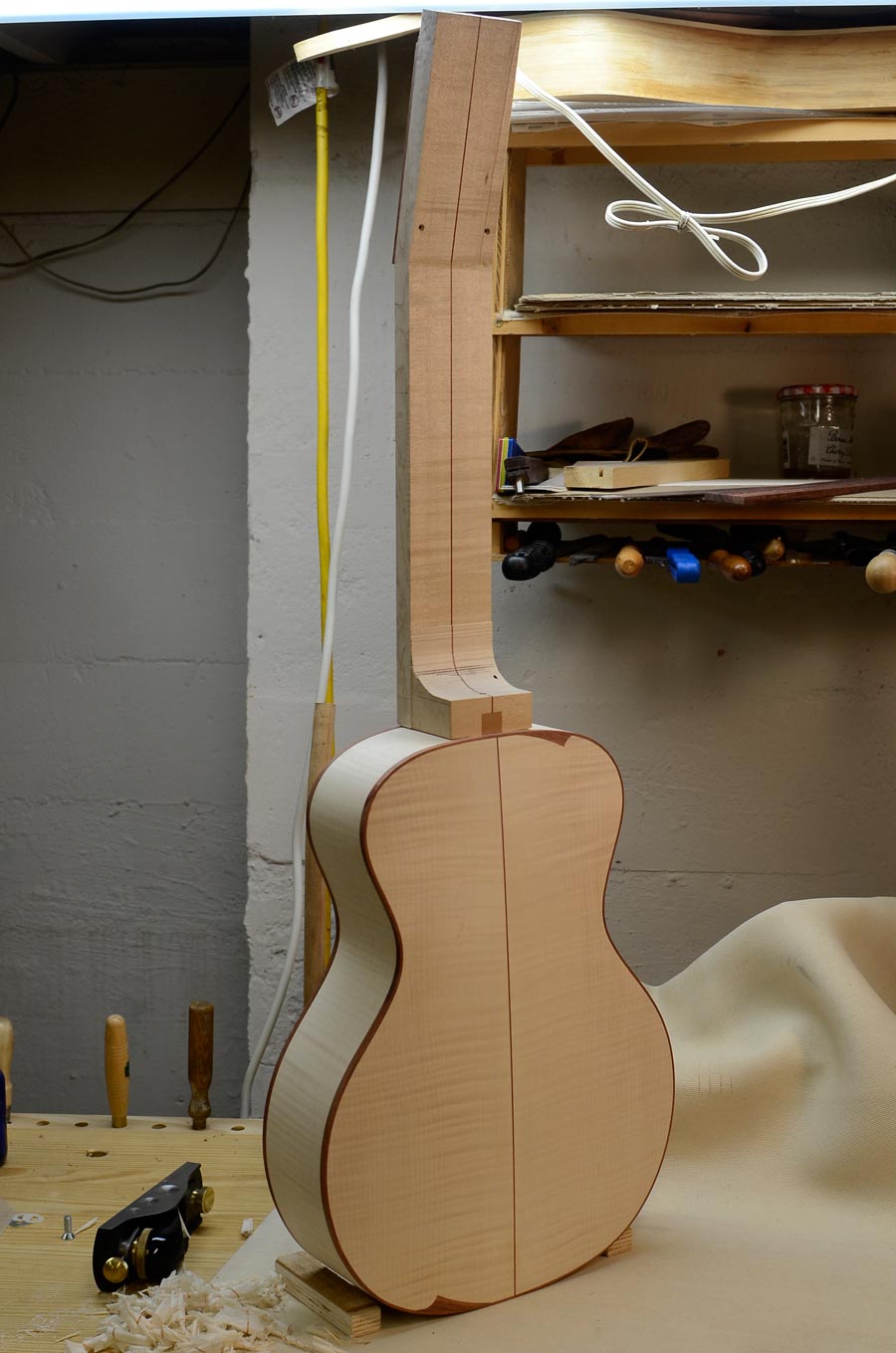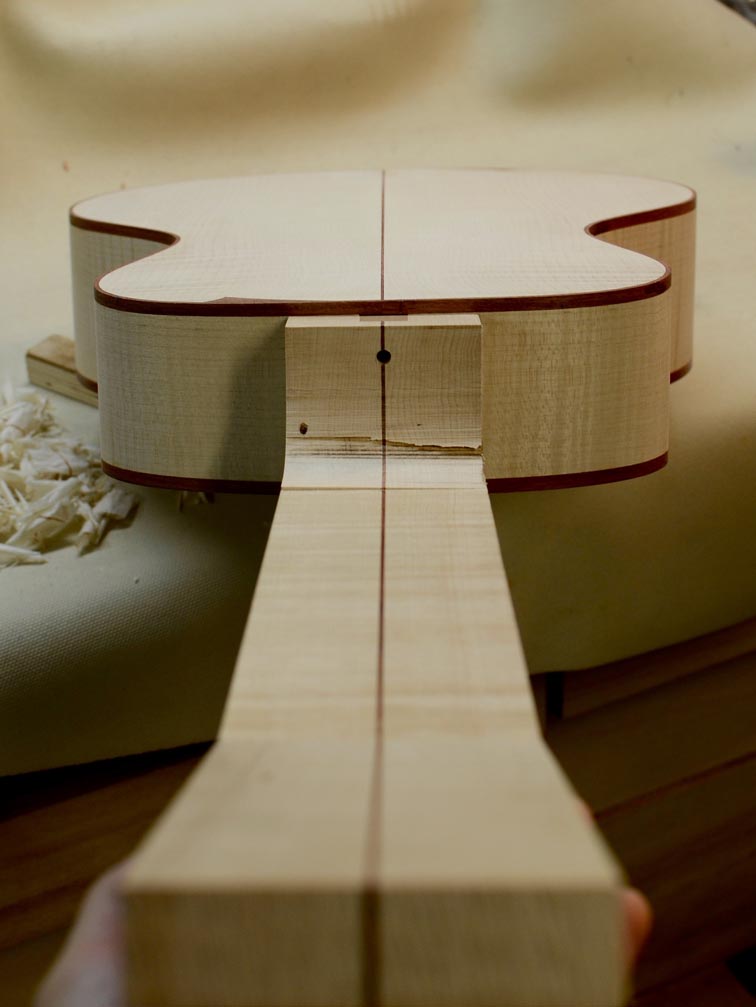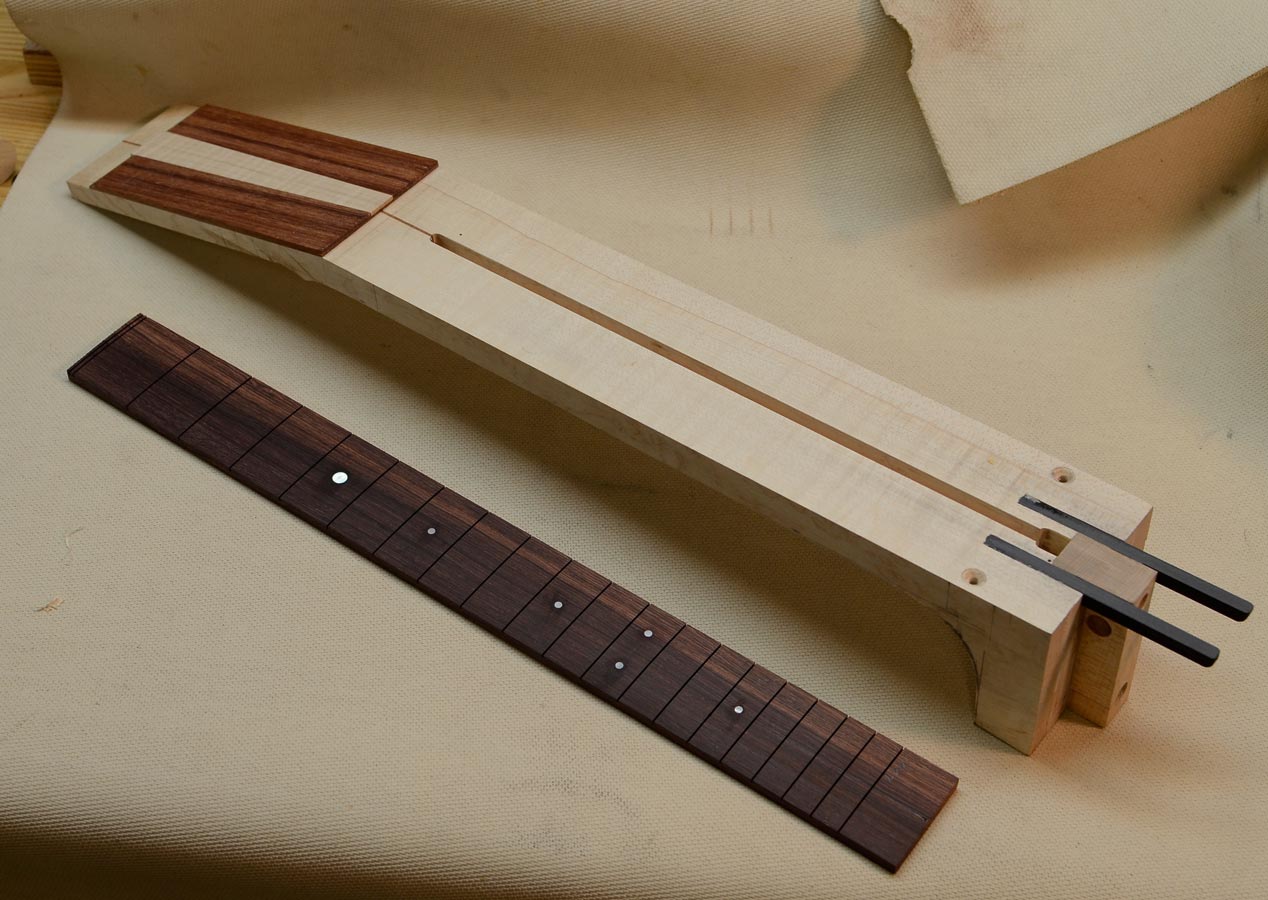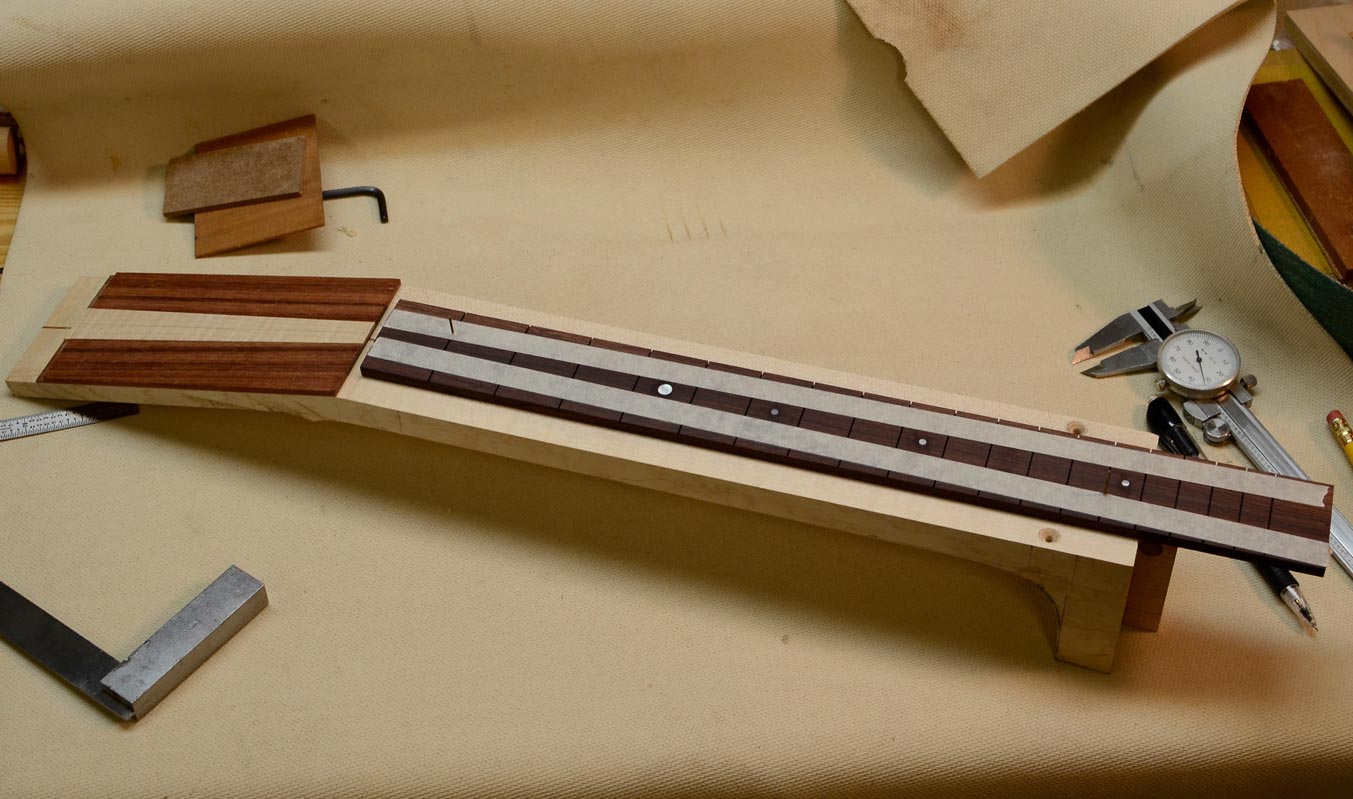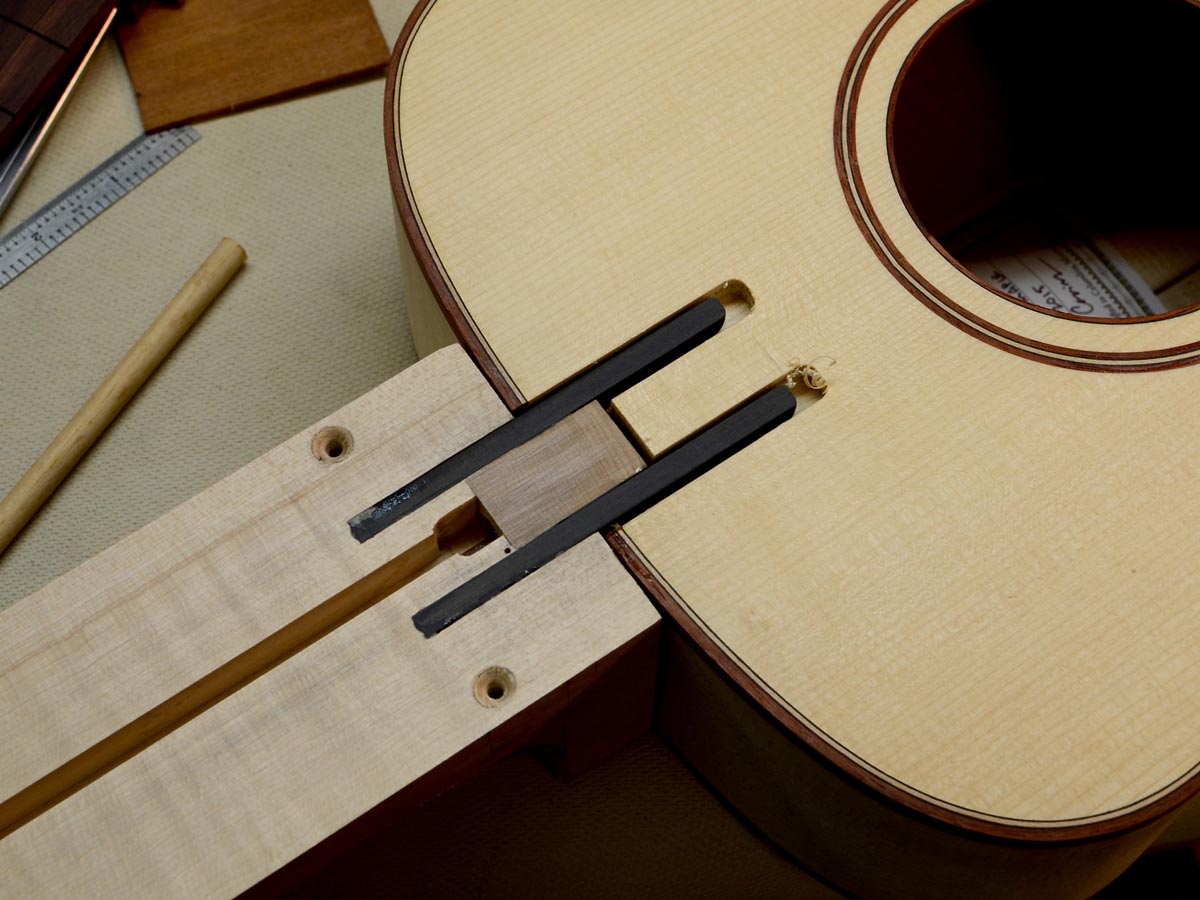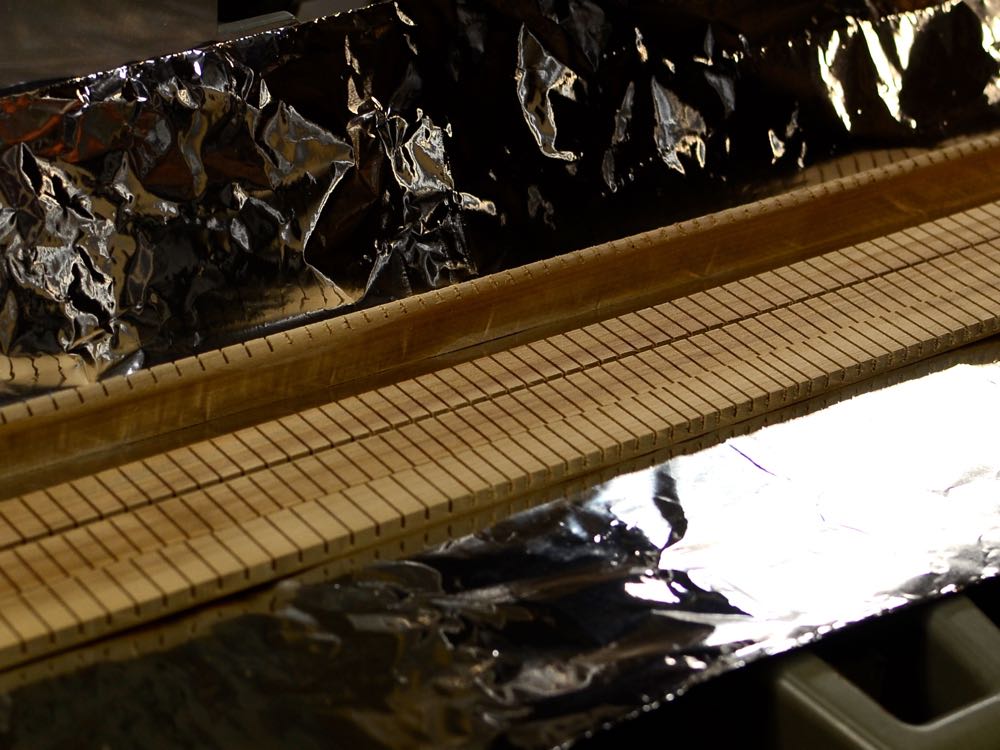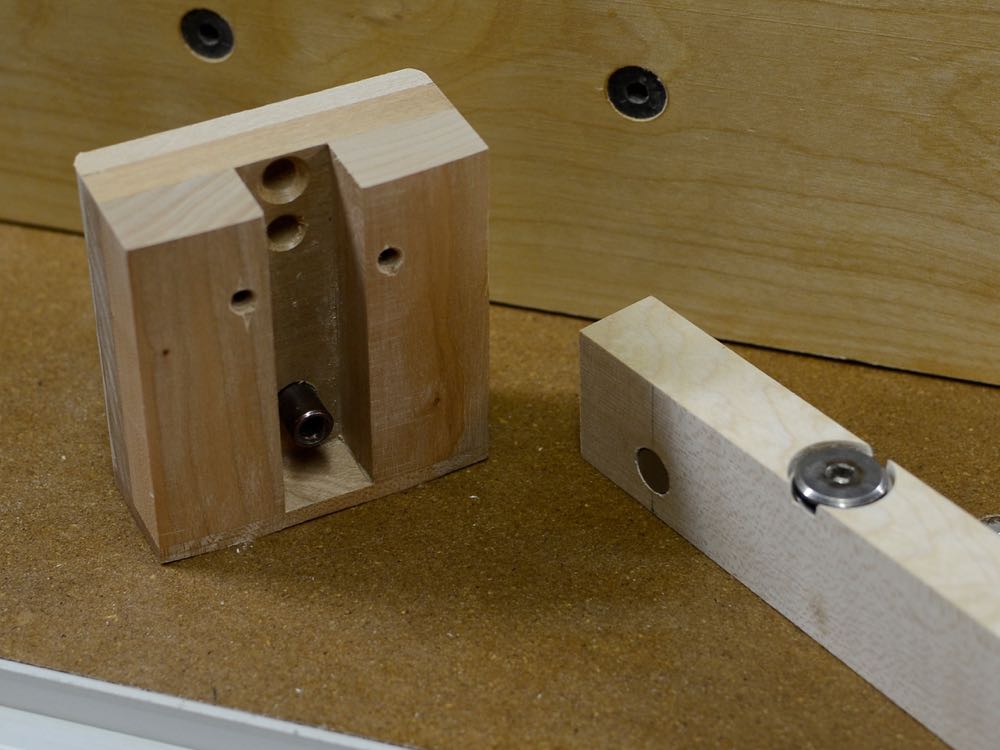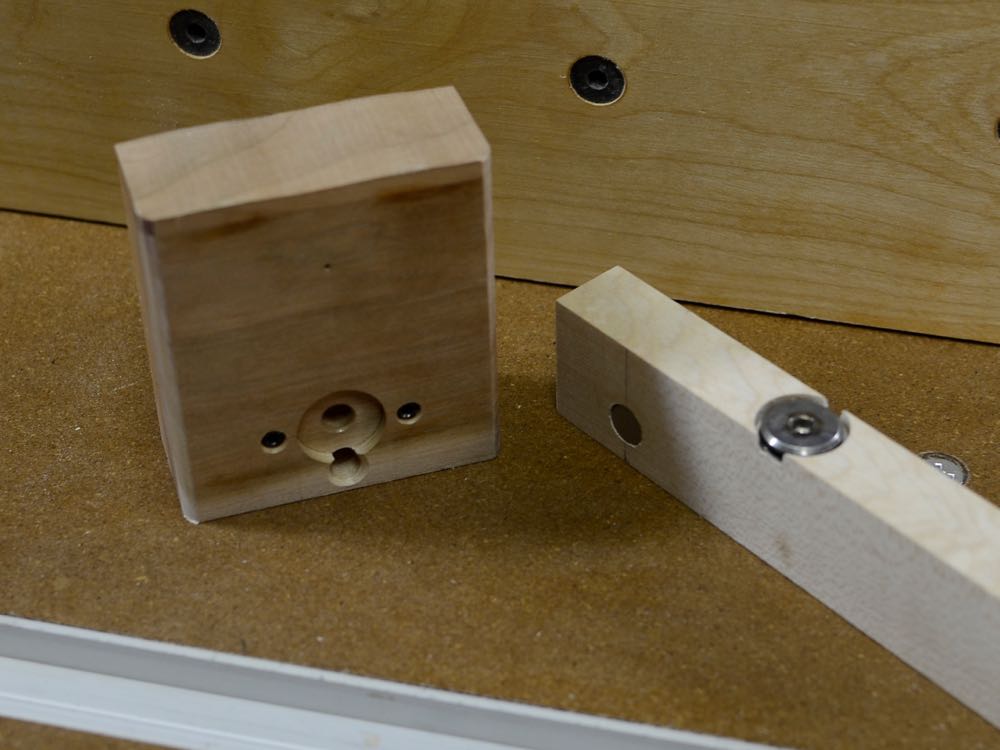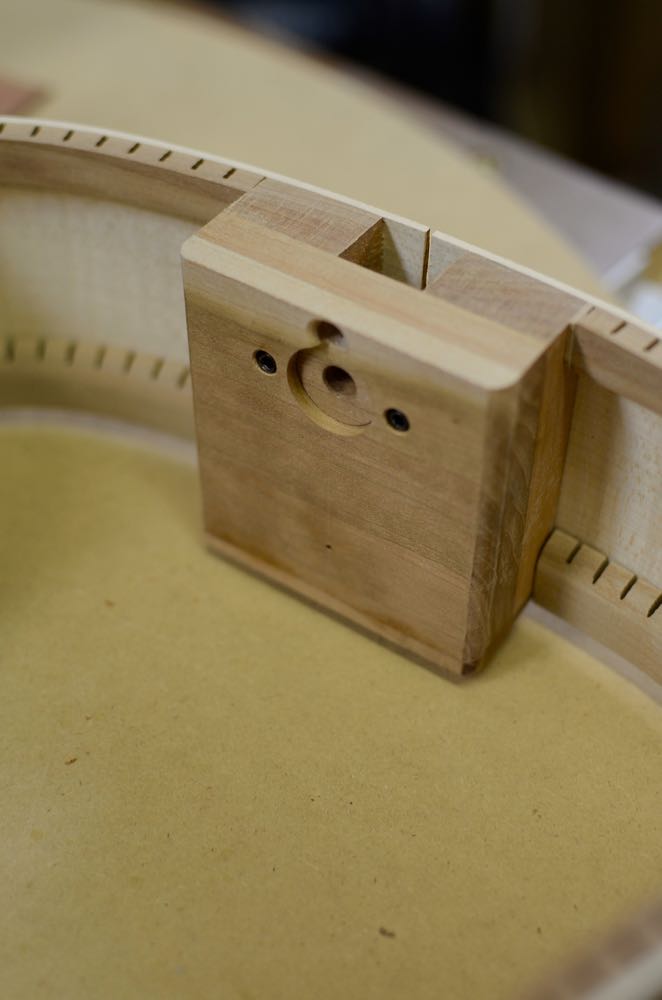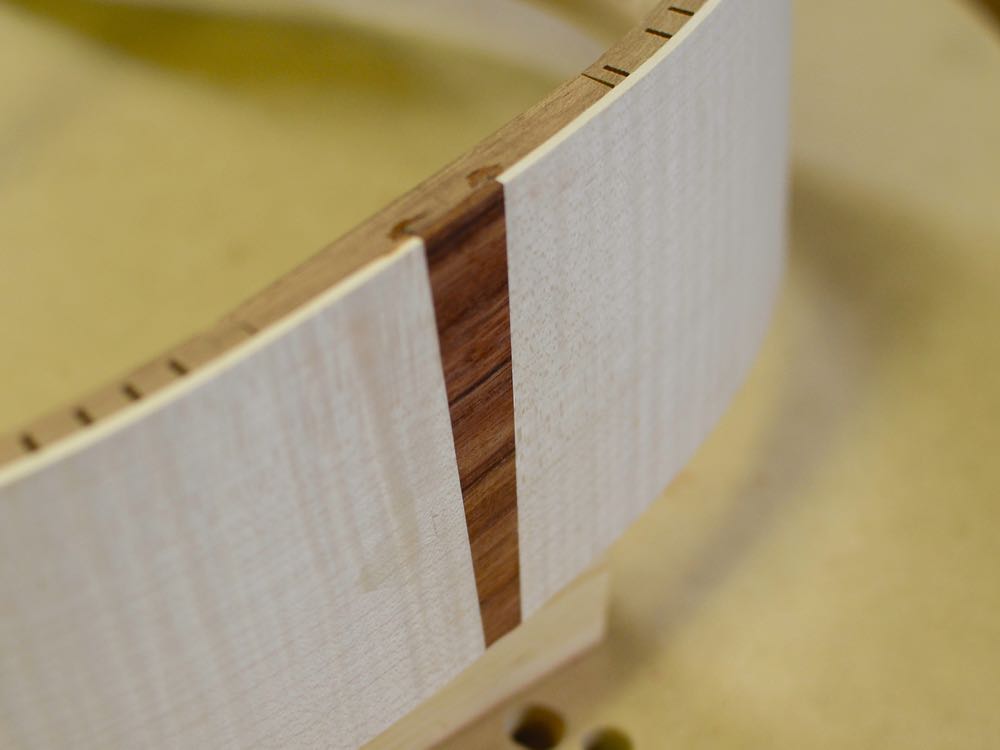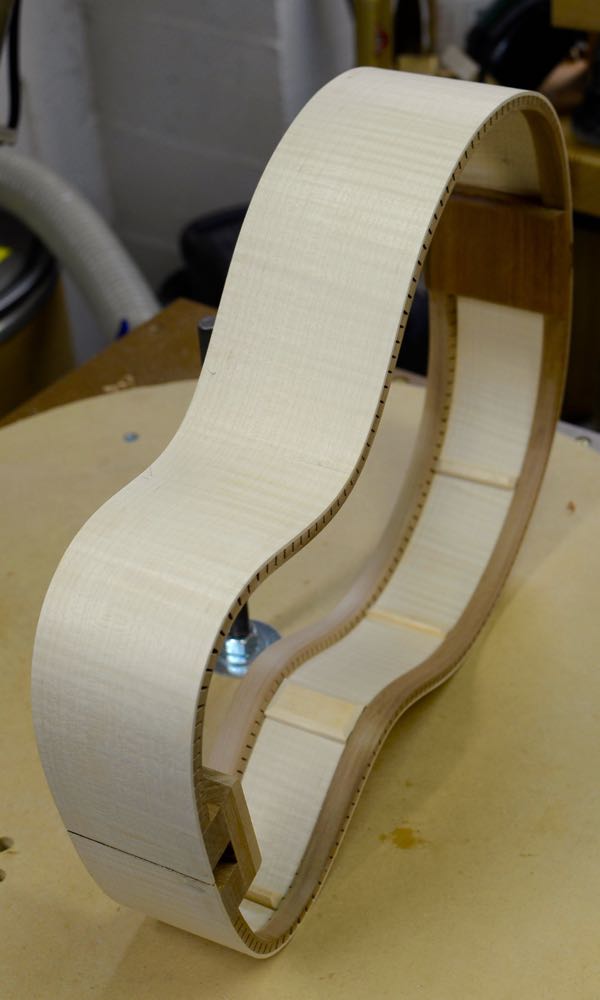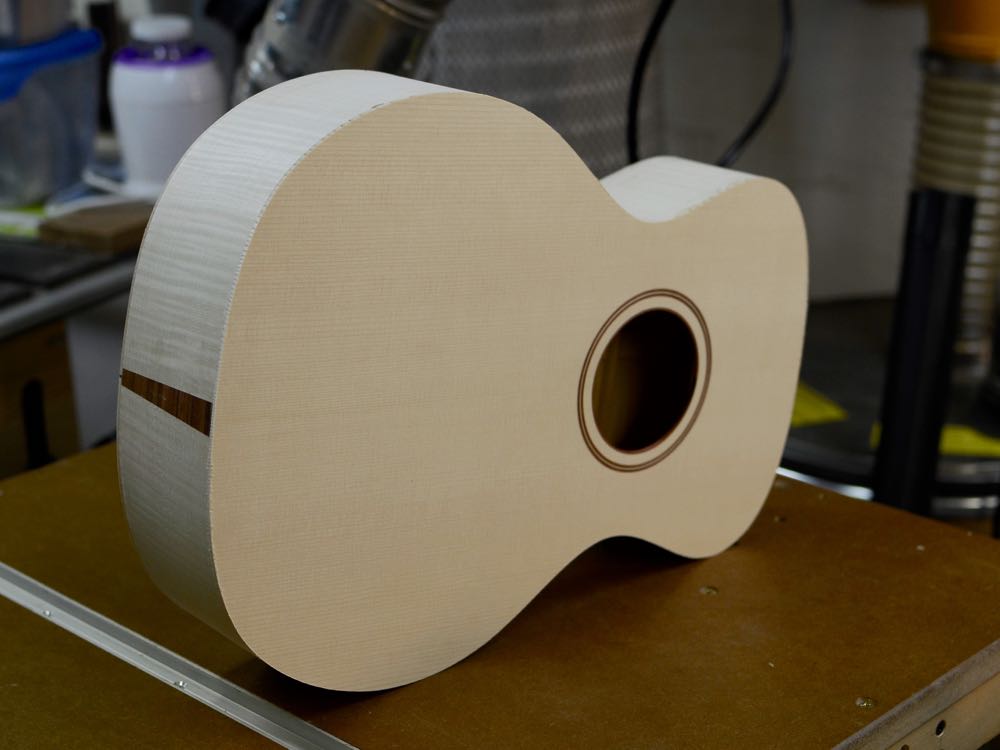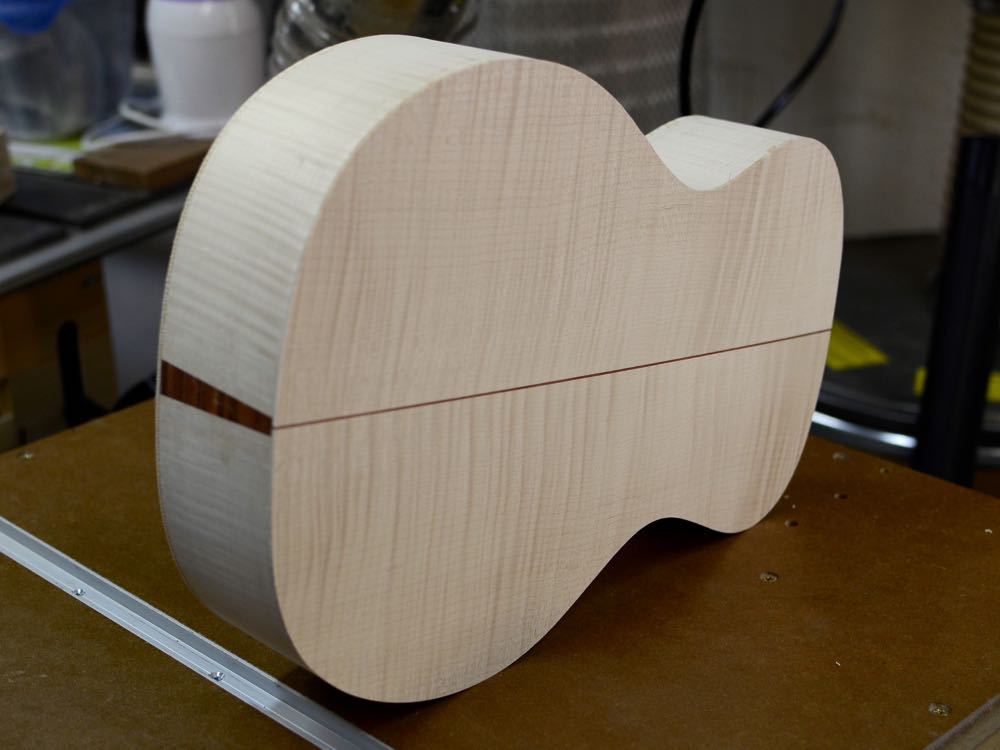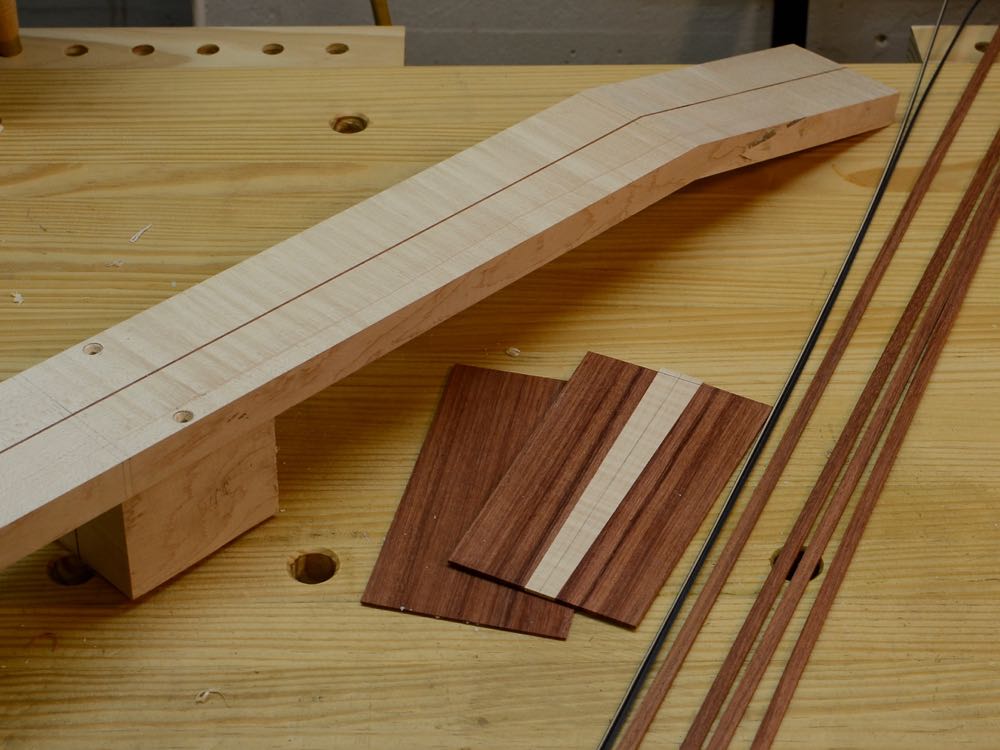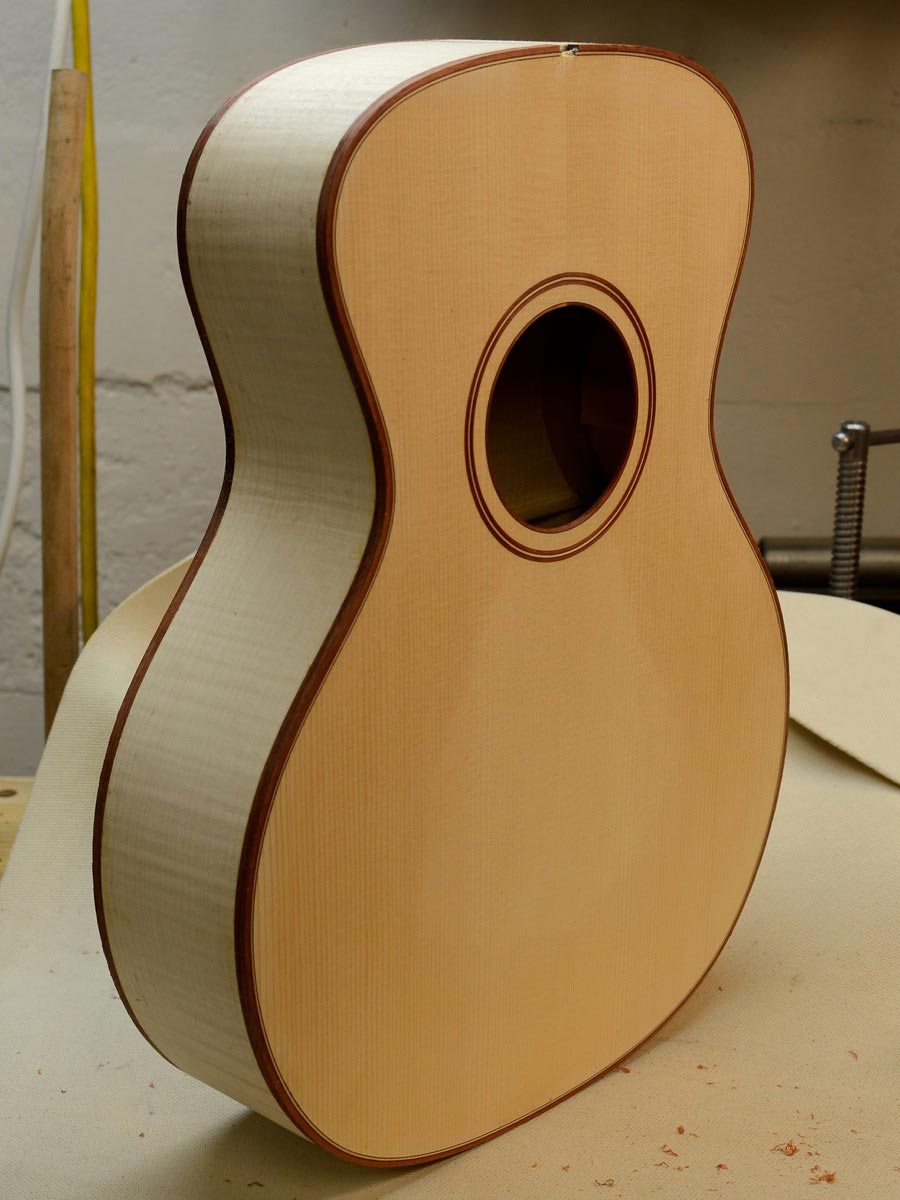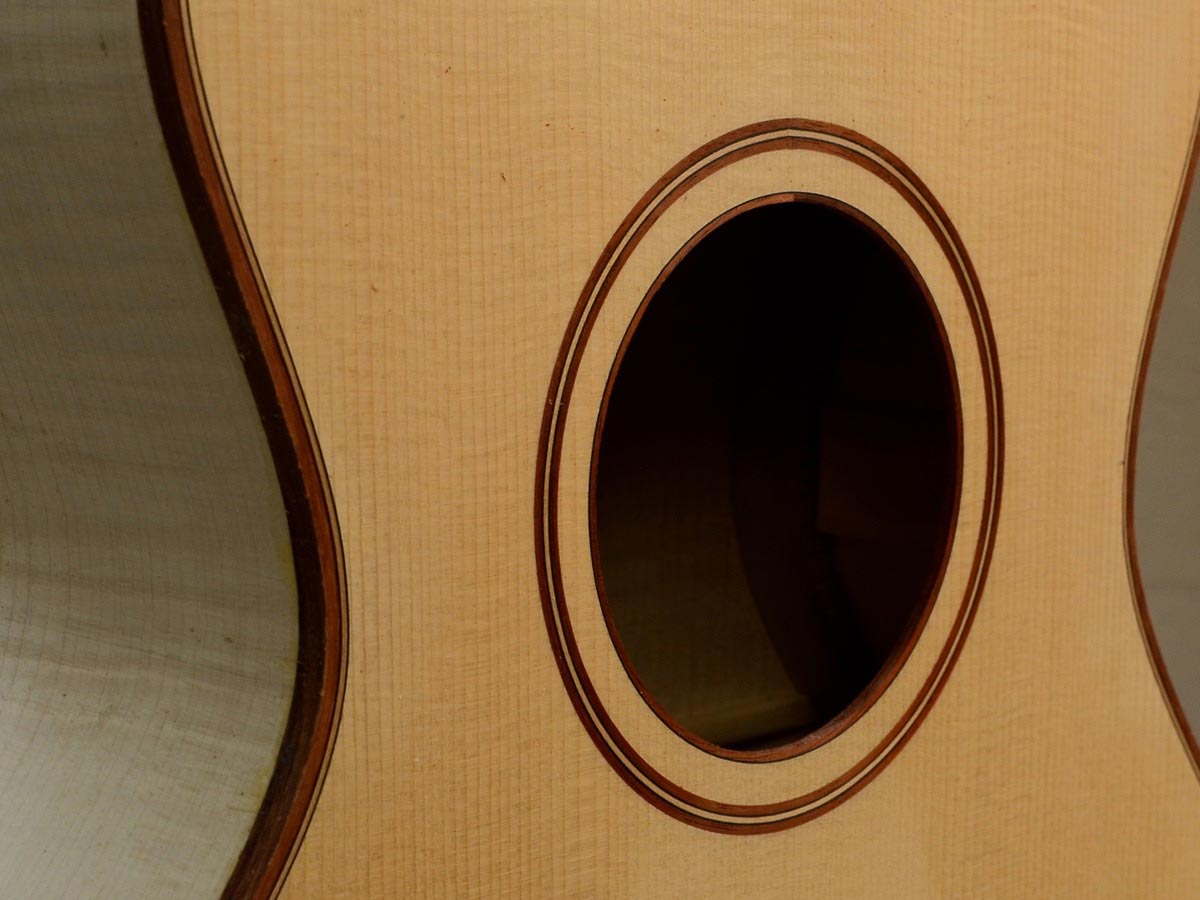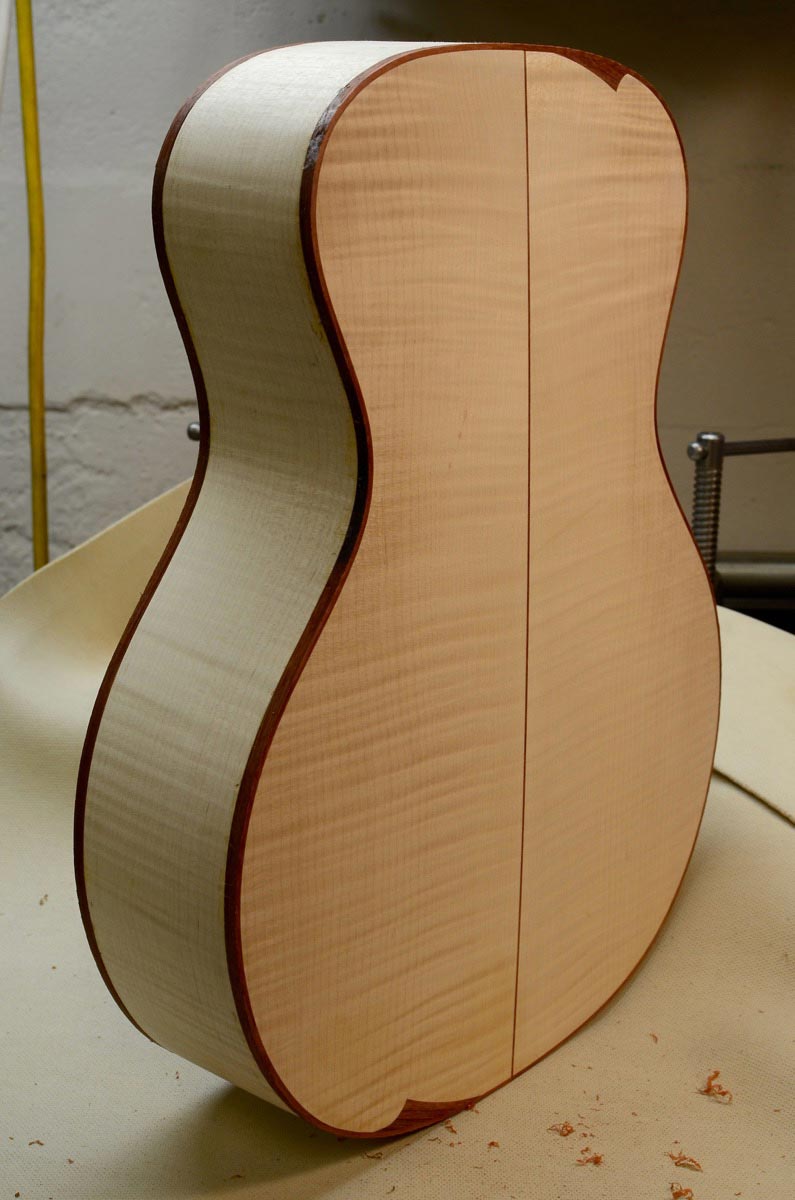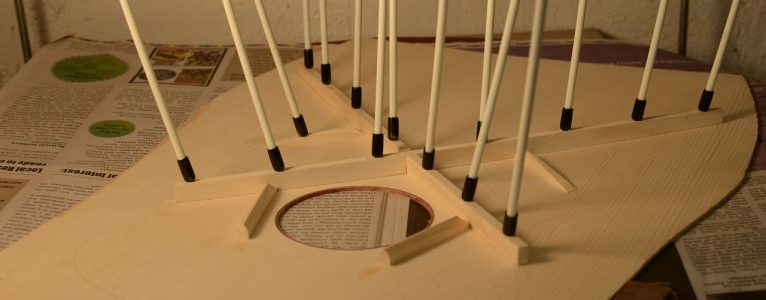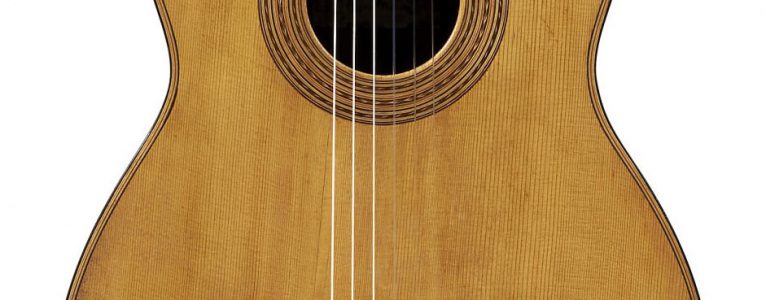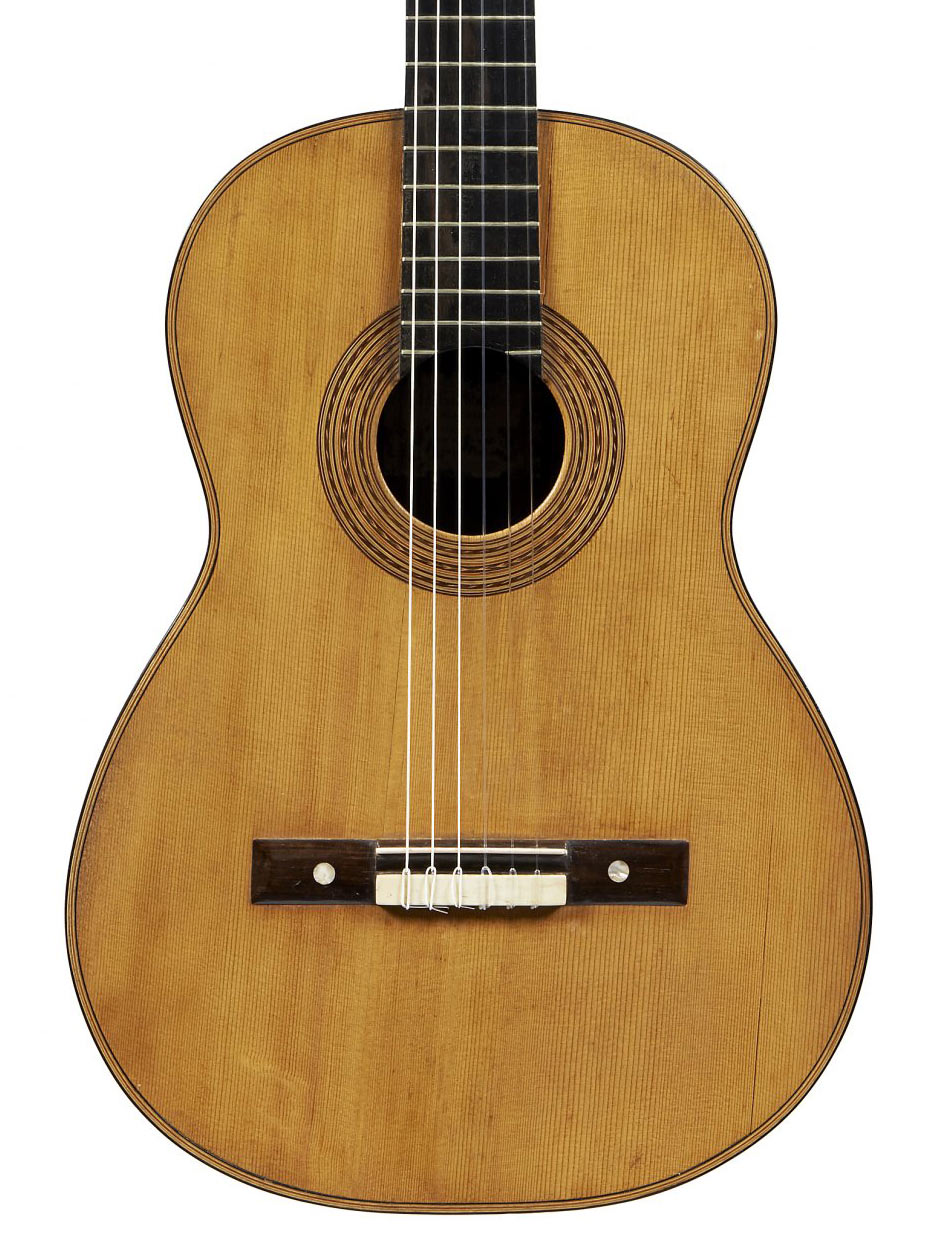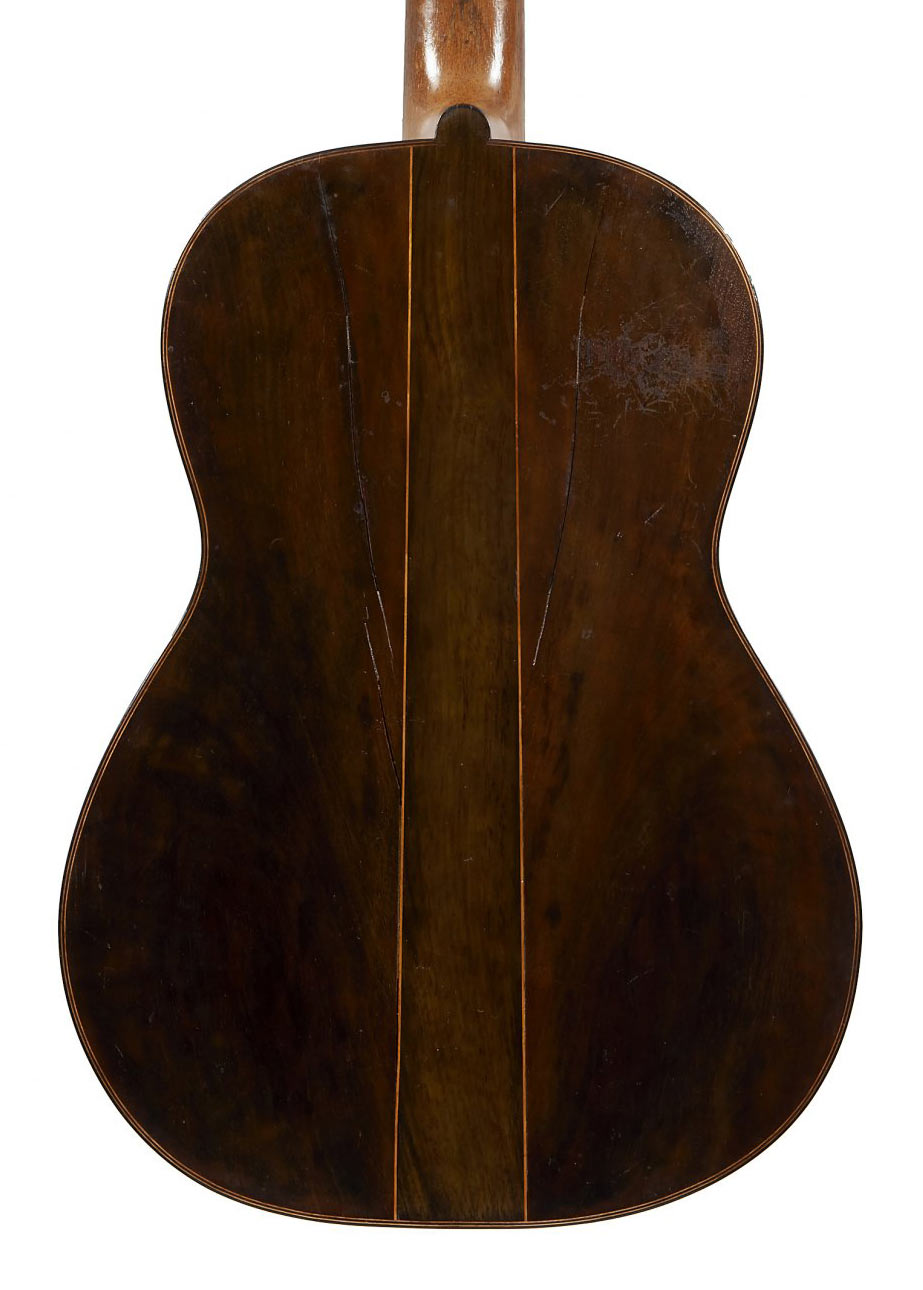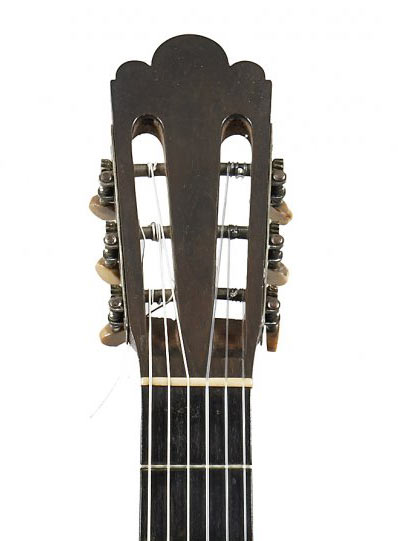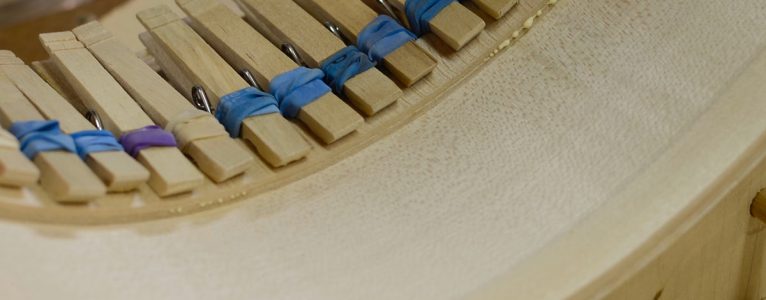
In the odd snatches of time while glue is drying or shellac is curing, I’ve been working on a new technique: building guitar rims using two slats of wood per side, laminated together to form a double-thick side (~.150″ thick). It adds quite a bit of complexity to the rim-building process–more steps and added time–but I’m really excited about the new acoustic possibilities. And one of my awesome buyers has agreed to wait a little longer for his instrument, so we can implement this approach to further increasing the contribution of his guitar back to the overall sound.
Why double sides?
I decided to try this technique after reading the excellent book by Australian luthiers Trevor Gore and Gerard Gilet, “Contemporary Acoustic Guitar Design and Build.” I was especially impressed by Gore and Gilet’s discussion of the current state of thinking in guitar acoustics. I’m a believer in responsive-backed instruments; I build lightweight backs braced to encourage the plate to vibrate like a second soundboard. This complicates the acoustics, because the top and back and body cavity (air space) all need to work together harmoniously, or the efficiency of the system is hampered, and you get a run-of-the-mill, un-explosive, disappointing guitar. Gore is also a fan of the live-backed guitar, and he has found that one of the ways to improve the coupling between the top and back of the instrument is to take side vibration out of the equation as much as possible. He also routinely adds heavy weights to his instruments’ ribs to change the relationship of the top to back to body resonances.
Since I had a recent prototype guitar handy, I thought, “Hey, let’s see if this works as advertised.” It did, and even at the measurable rate he estimated (measurements are made by recording thunks on the bridge and the analyzing the recording using an audio tool like Audacity).
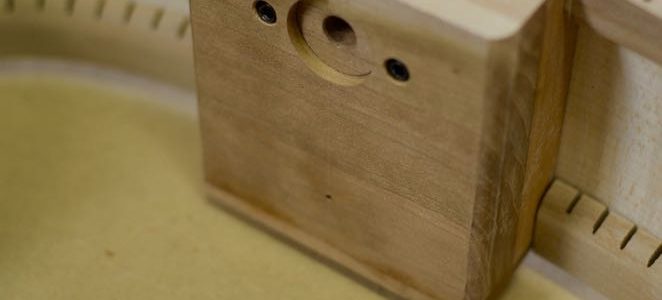
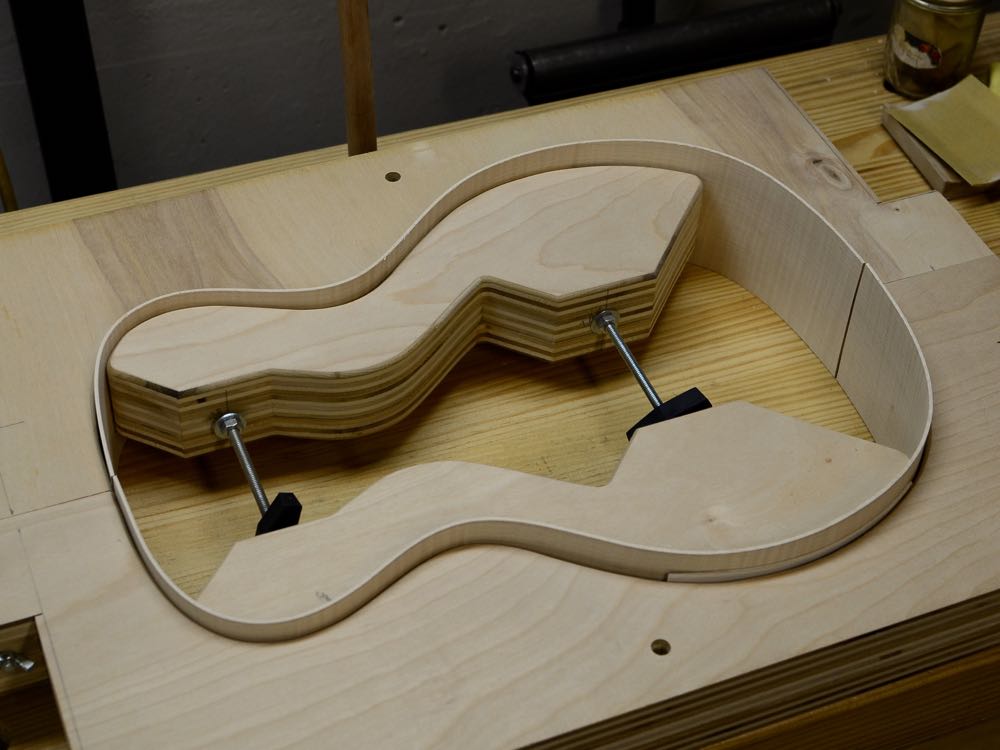
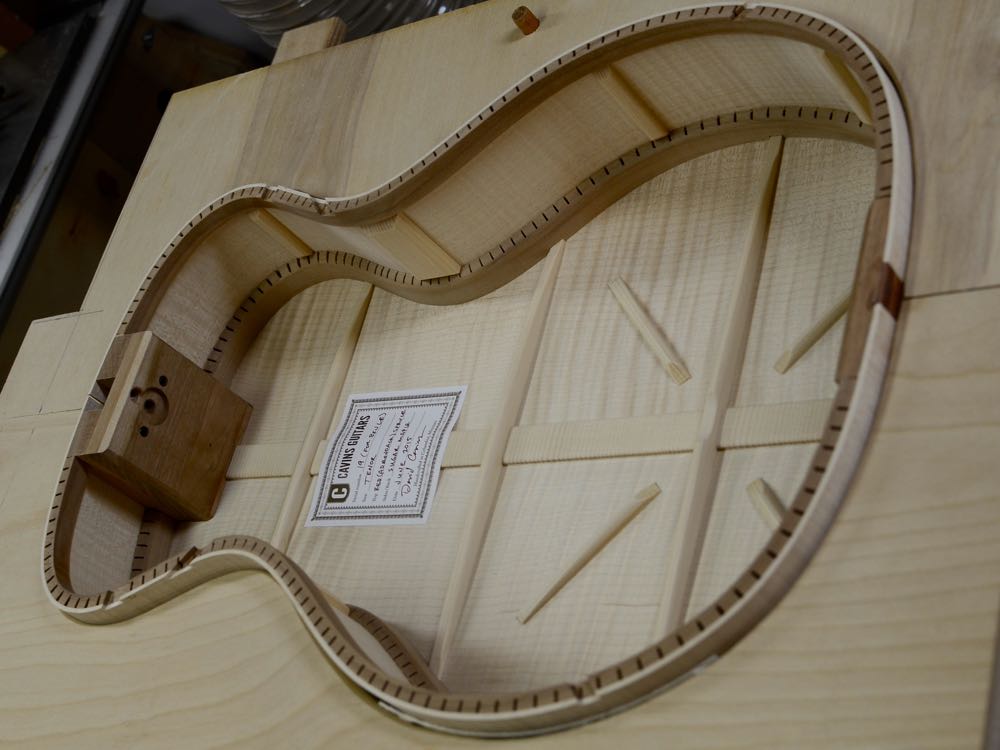
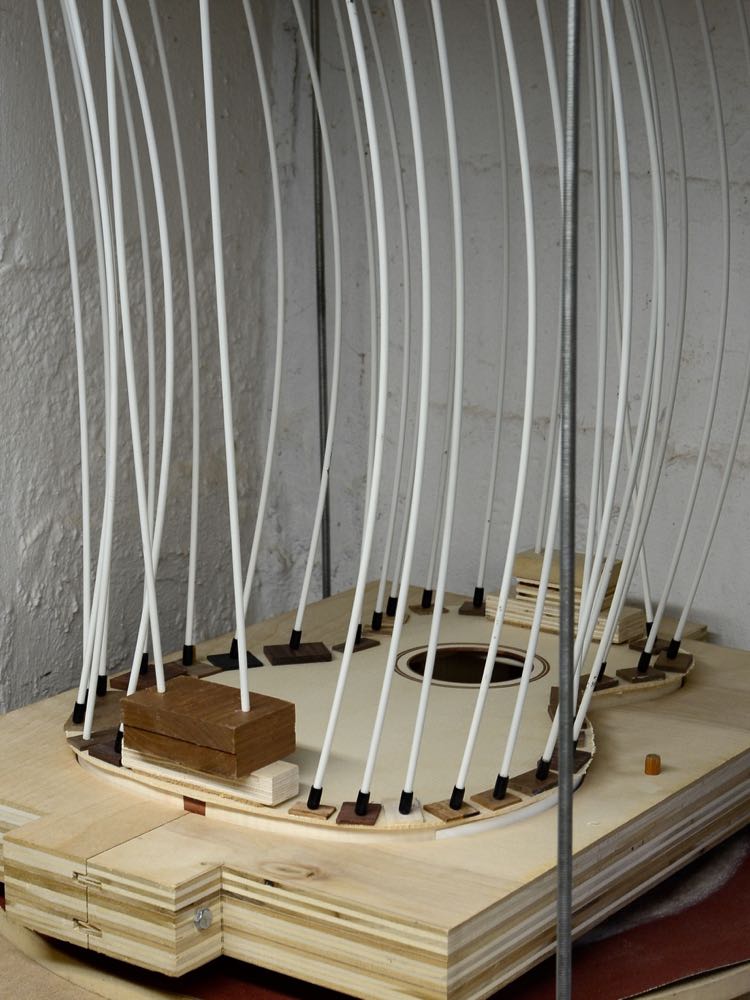
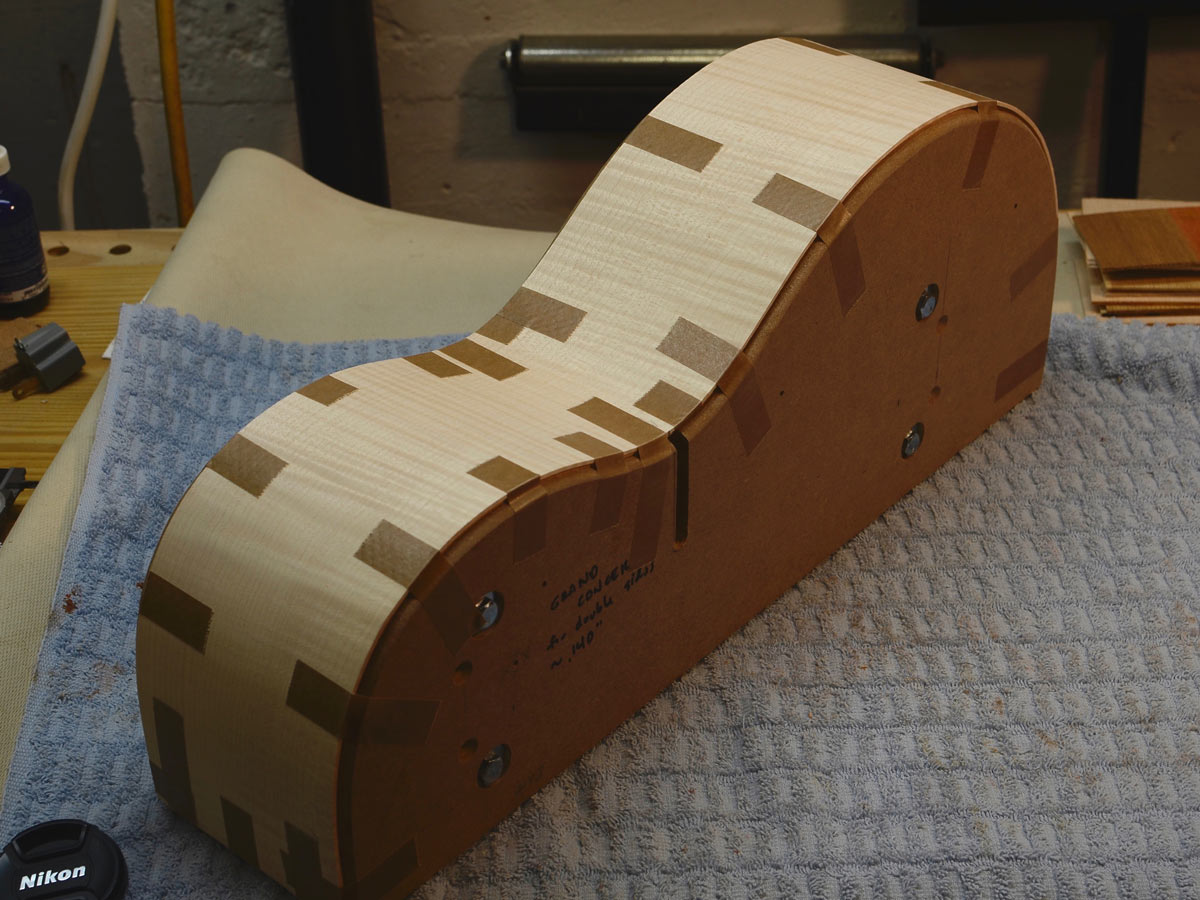
So in developing my client’s guitar, I decided that I’d add mass and stiffness to the ribs by laminating together two slats, and use laminated-in-place solid linings instead of kerfed linings. Basically, I’m building a lightweight, guitar-shaped banjo rim and counting on the mass and stiffness difference to dial down the response of the sides and encourage the top and back to communicate more freely.
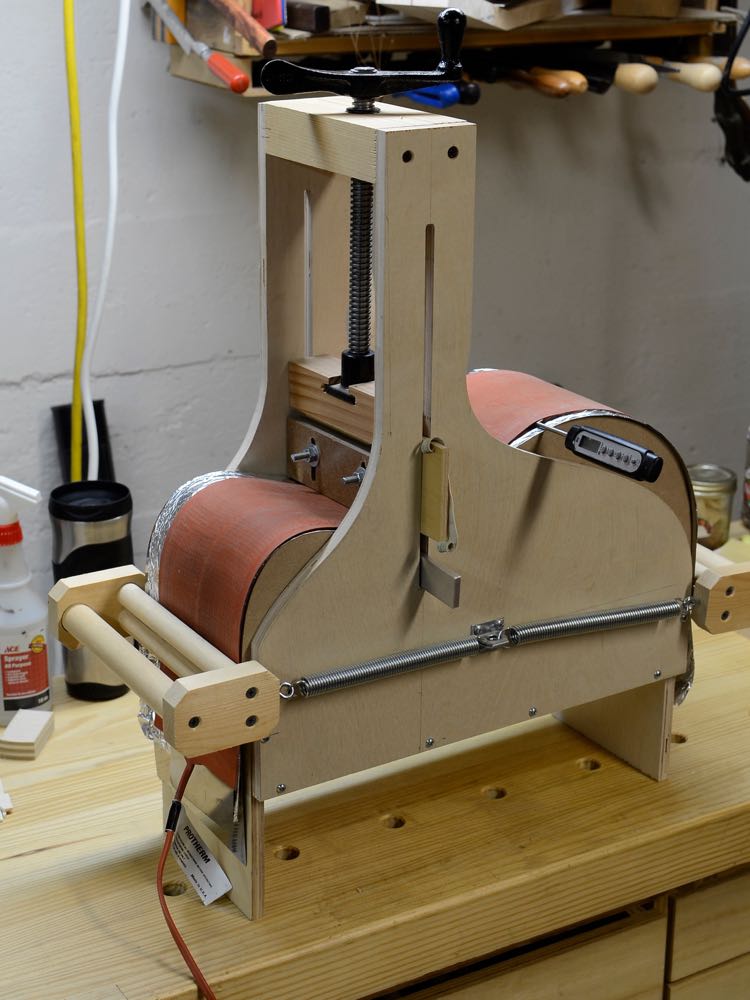
The method I’m using


Added benefits
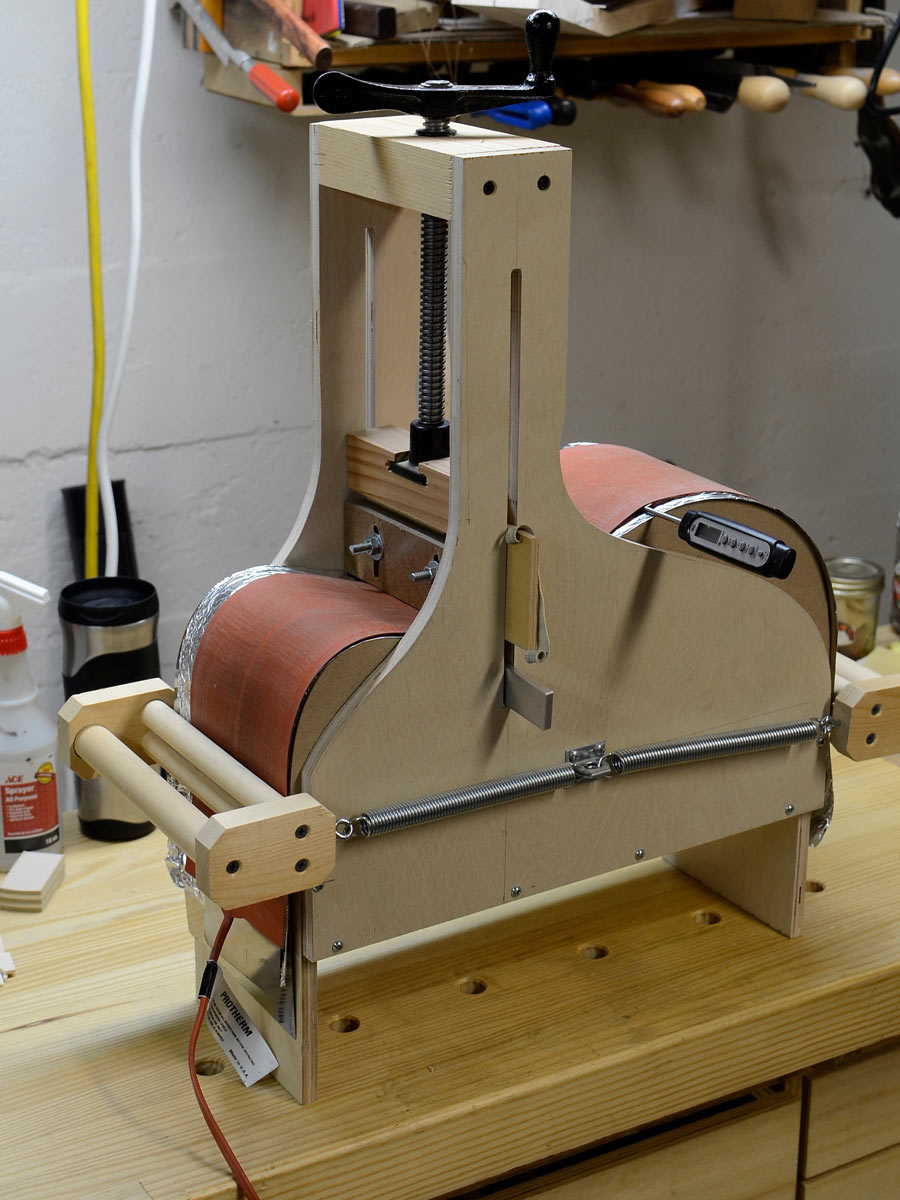
I’m pleasantly surprised by the increased stability of the assembled rim. I use a lot of maple, and maple really wants to spring back after bending, but these doubled sides are rock-solid. Once they came out of the vacuum bag, the doubled sides were locked in shape, and I didn’t have to wrestle them into the form to keep their shape. I expect this to take some stress out of the completed instrument body, too.
An unforeseen advantage is that when you’re using two slats, you can make each slat thinner, which is great if you’re using difficult bending woods, like maple. I used .075″ slats rather than my typical .085″ with this sugar maple, and the improved ease of bending and smoothness of the resulting bends is noticeable.
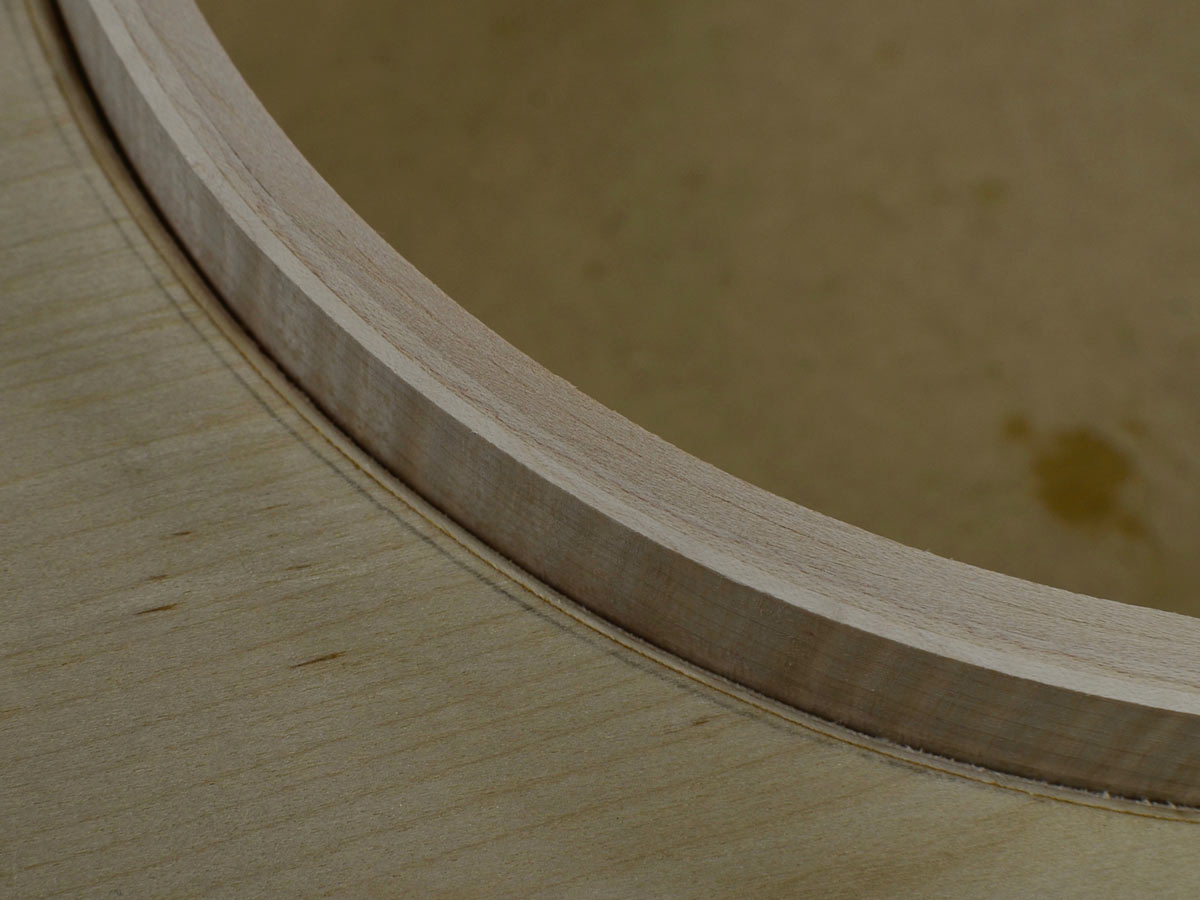
The whole rim, and especially the solid linings, look very cool. I’m shallow, I know, but I want my guitars pretty inside and out, and this finished rim is very clean looking. It looks like the inside of a violin!