Author: David
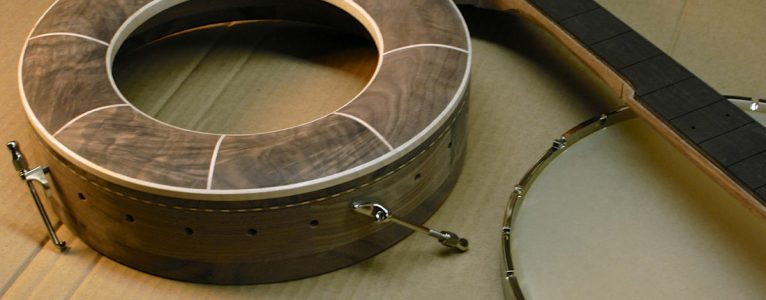

Several years ago, Amber heard John Hartford playing a banjo that sounded as incredible as his playing. It was mellow without being tubby, and had tons of tone. She did some research and found that the banjo was a modern instrument that featured a wooden tone ring. Continue reading “Don’t Judge Me (I’m Building a Banjo)”
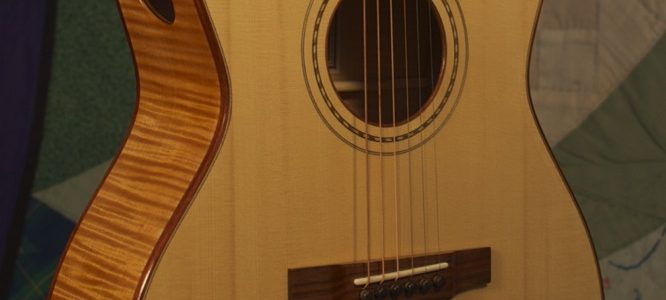
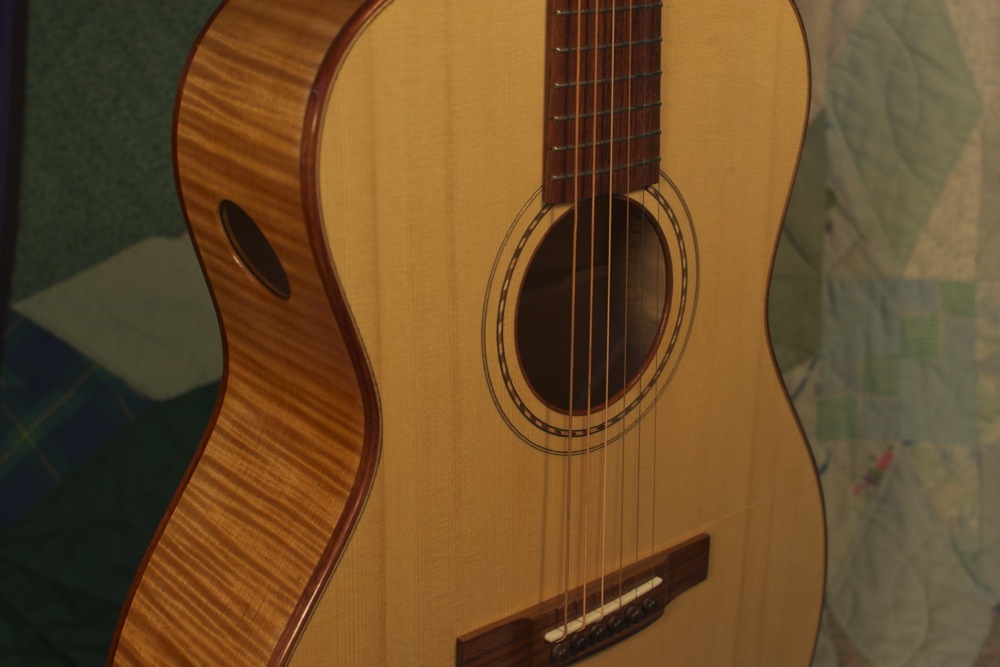
I put the finishing touches on two orchestra model guitars around the holidays, and they sounded great right away.
I tweaked a few details from the earlier versions, including making some minor changes to the bracing. About two years ago, I was talking to local violin maker Tom Verdot, who asked about trying some hybridization between the way classical guitar soundboards and steel string soundboards are braced. Continue reading “New Features and a New Model”
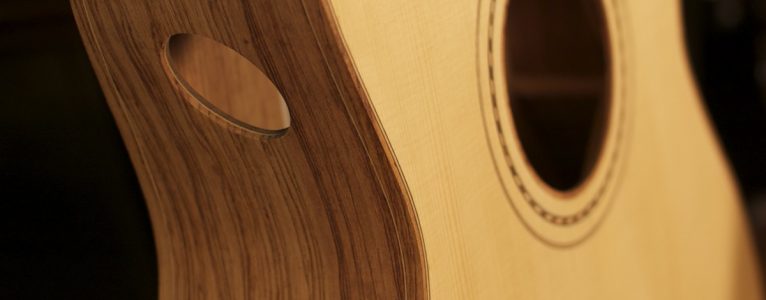
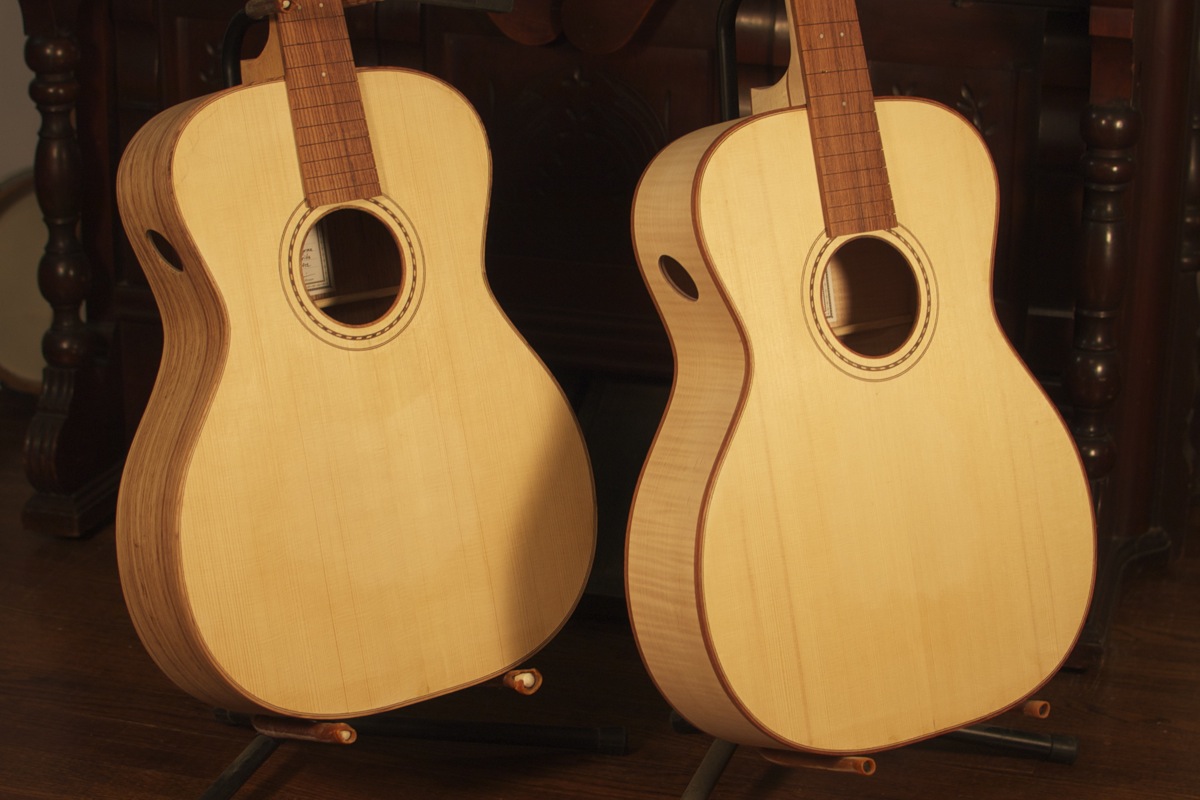
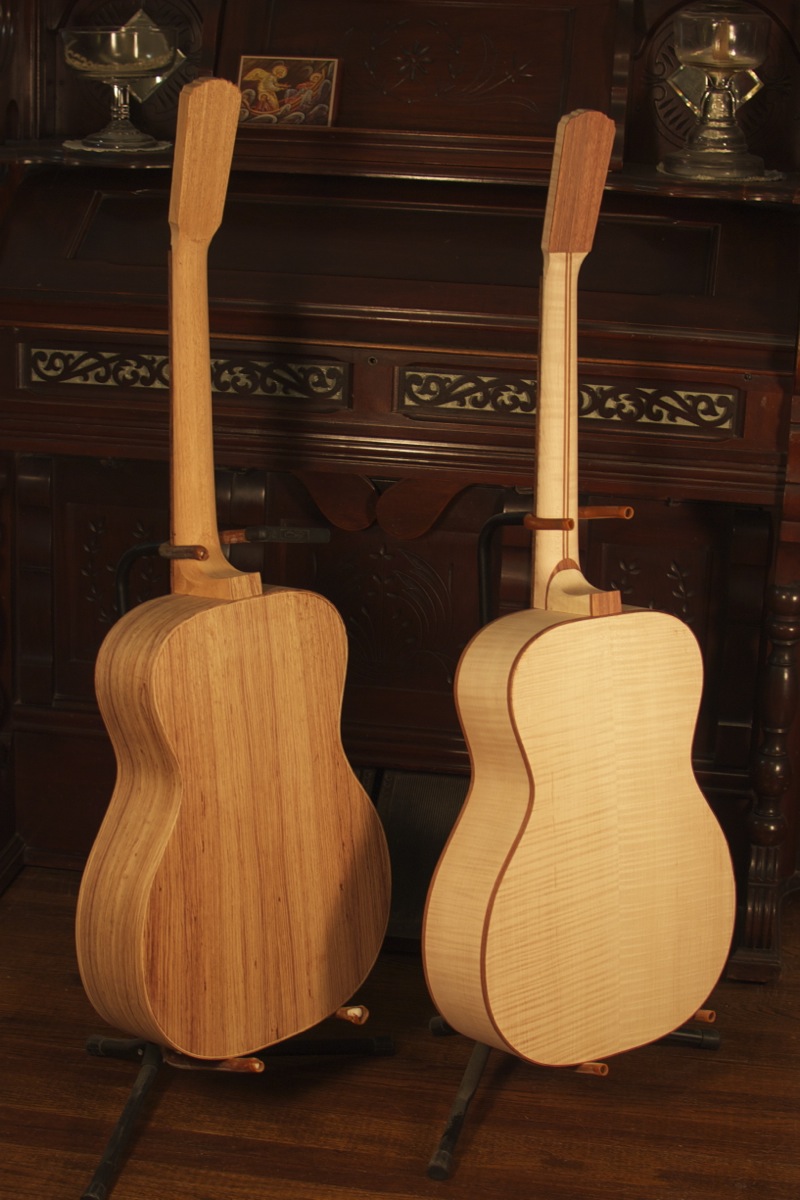
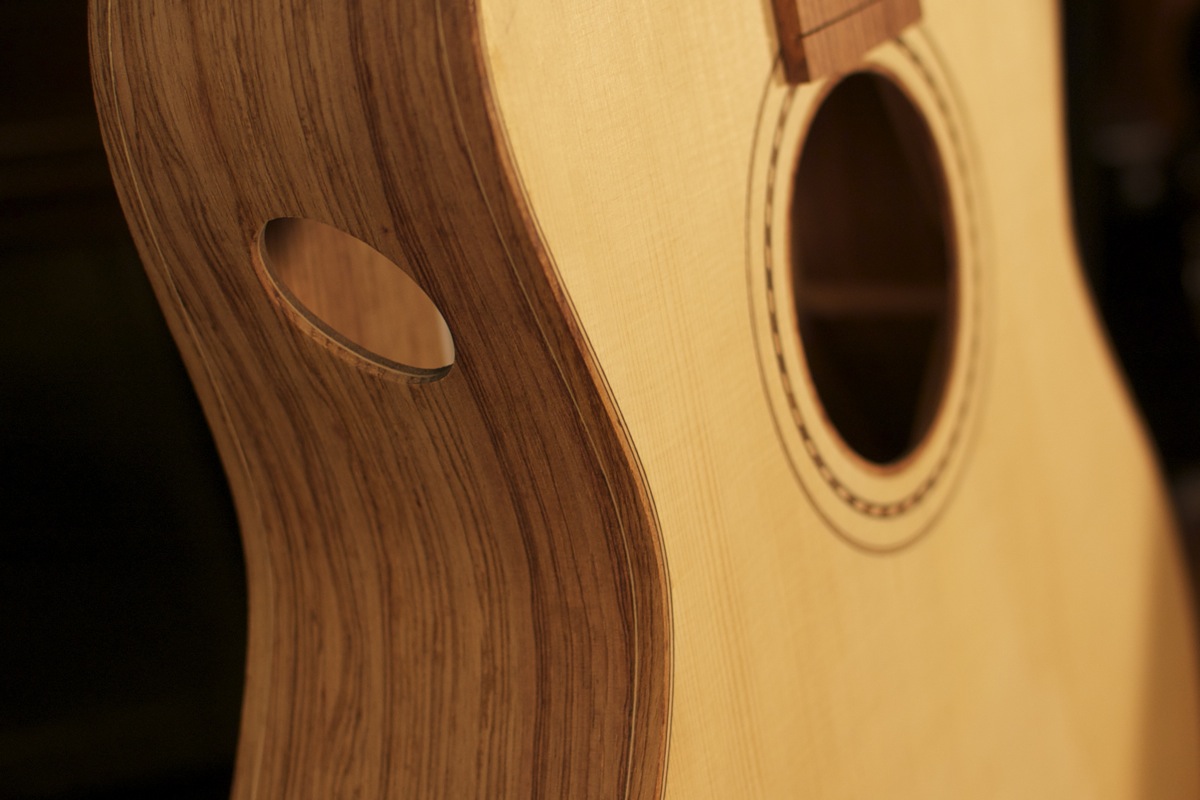
I’m rounding third base on this pair of orchestra model guitars. True to form, I’m building them as an identical pair except for one variable. This time, the difference is the back and sides material; one is red maple, the other is palo escrito, a relatively lightweight rosewood from Mexico. At this point of the build, I’m tapping the top looking for the body to produce a strong fundamental tone with a sustained ring. My impression is that the maple body has a stronger fundamental, but that the rosewood body rings slightly longer. Both sound really good.
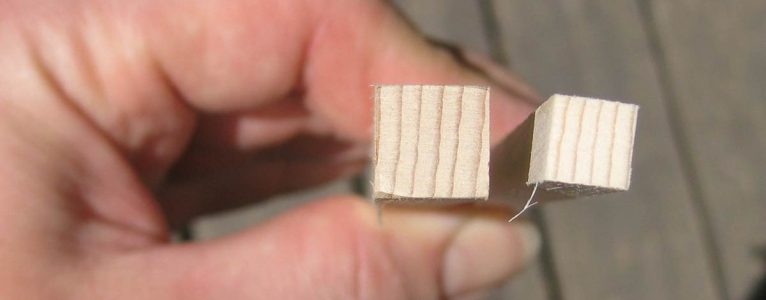
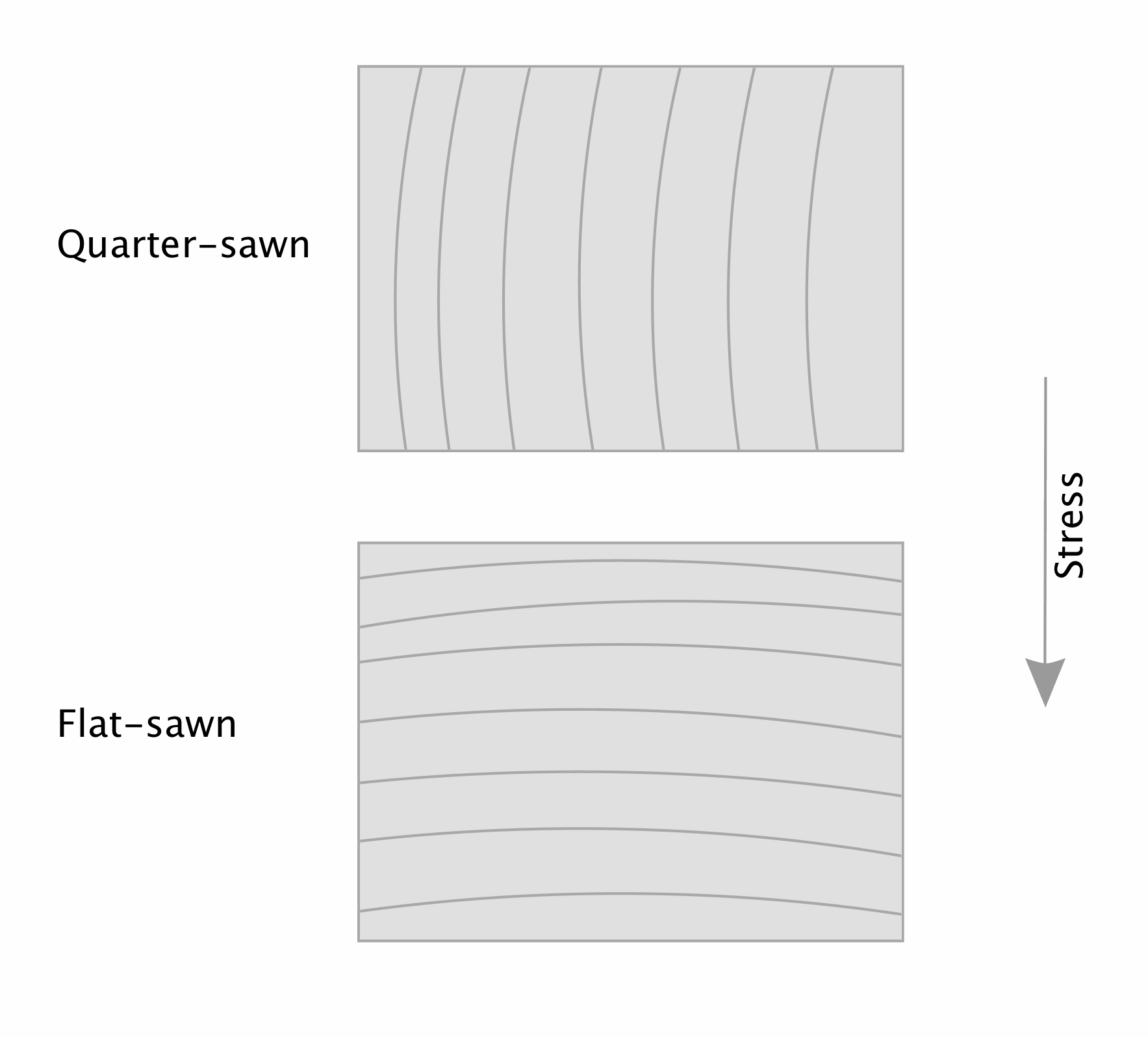
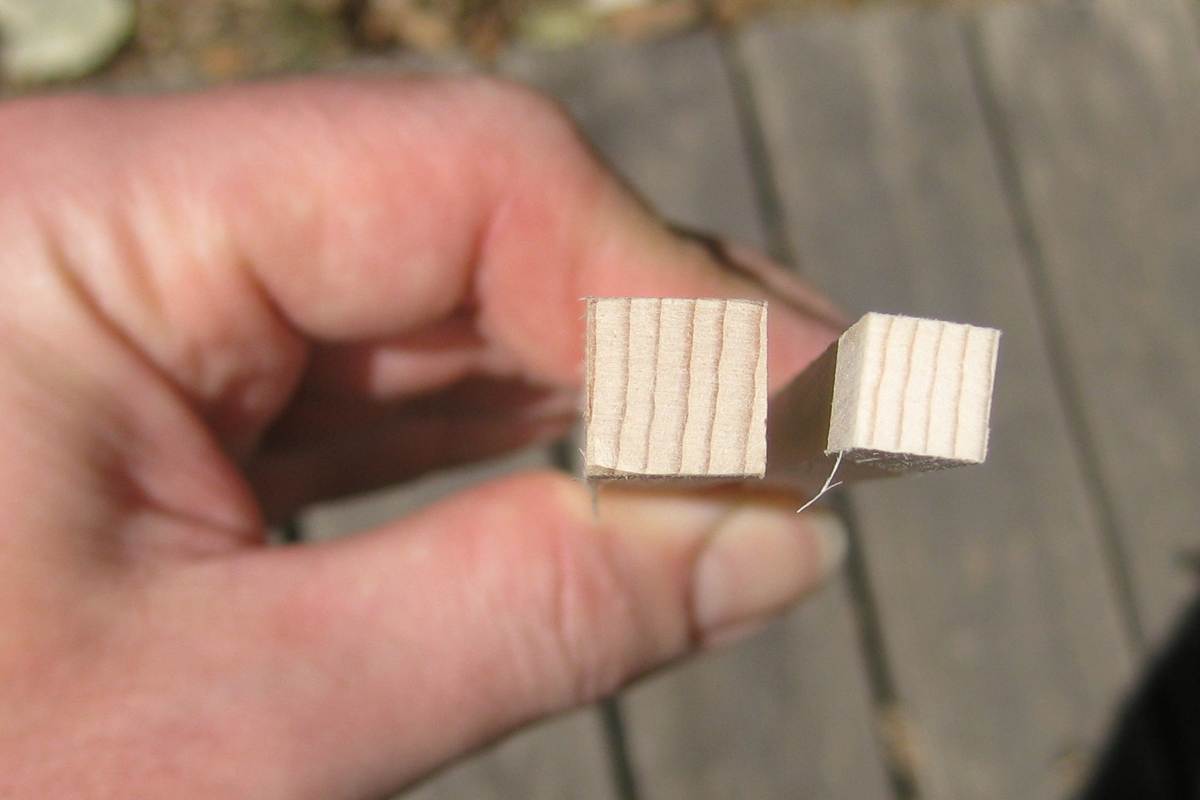 One of the things guitar builders worry about is grain direction. It’s generally agreed that quarter-sawn wood is the most stable, or at least that it moves in a predictable, uniform way when the relative humidity changes. It seems to bend more easily, without breaks, than flat-sawn wood (I prefer quarter-sawn sides and bindings for that reason). And everyone agrees that it is stiffer than flat-sawn timber.
After handling quite a bit of brace wood, I began to question that last assumption. Continue reading “Brace Stiffness: Quarter-sawn vs Flat-sawn”
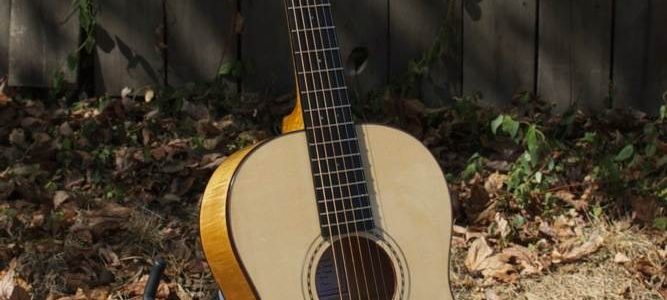
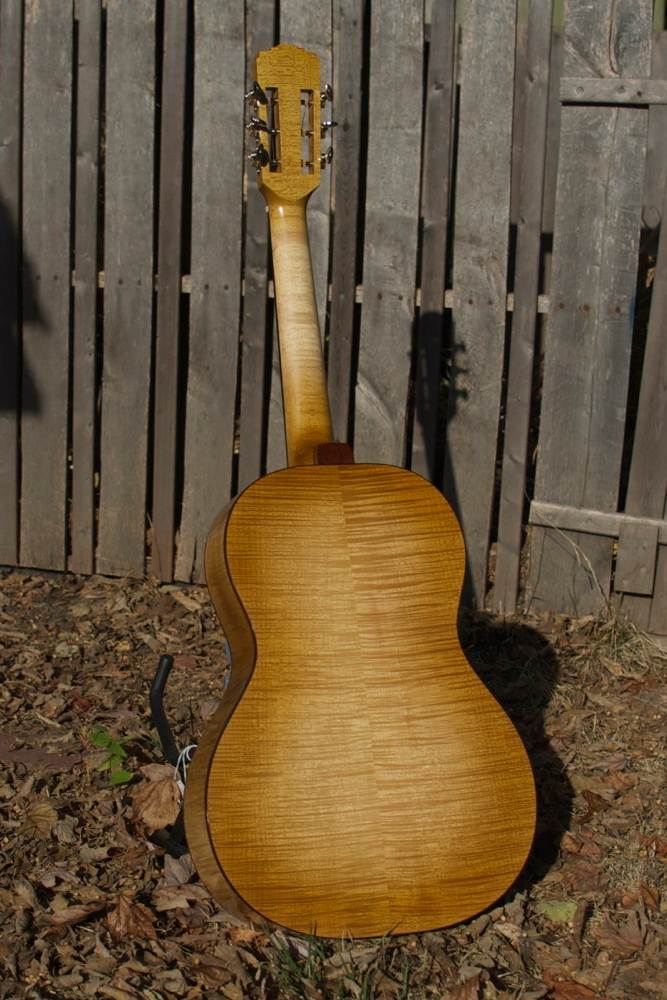
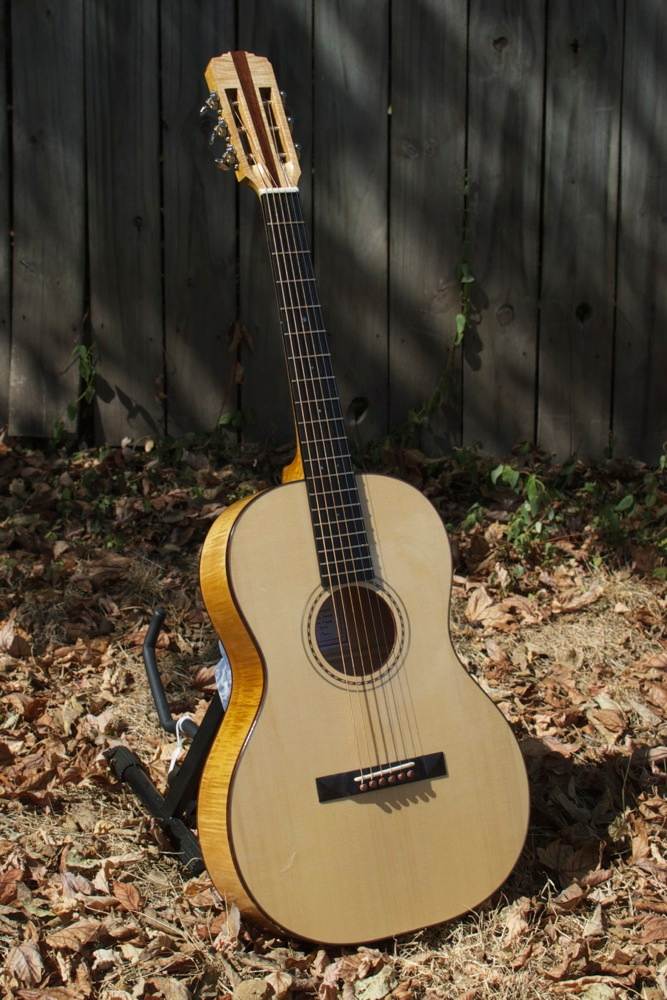
Continue reading “New Sugar Maple Grand Concert Guitar”


Continue reading “New Sugar Maple Tenor Guitar”
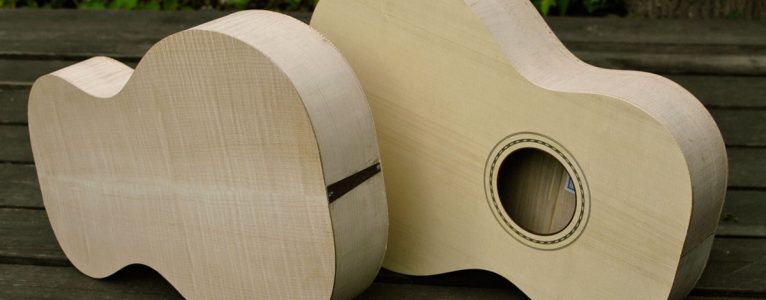
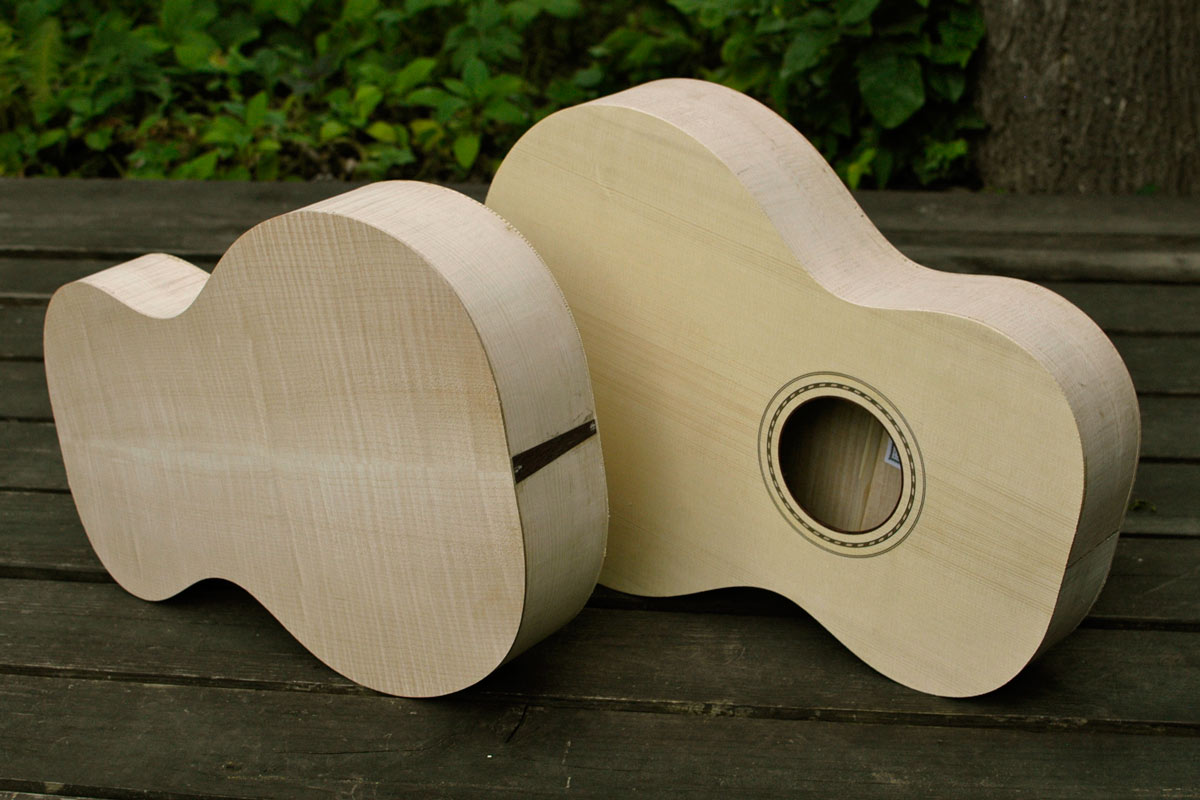
Yesterday I closed the boxes on a new pair of guitars, both in sugar maple. Sugar maple is a dream to work with and handsome to boot.
These sets show incredible figure now and will be eye-popping under shellac. I’m setting this tenor up to be tuned slightly lower, like an octave mandolin (G-D-A-E), rather than the more common C-G-D-A tenor tuning. Its big sister will be a grand concert size six-string, and this batch of sugar maple so far sounds like the best cherry, with a nice pinging tap tone.