I’ve been thinking a lot about the design of my auditorium/000/orchestra model.
I’ve been reading up on the early history of the instruments, and it’s pretty interesting. As I’ve mentioned elsewhere, the orchestra model was built in cooperation with Perry Bechtel, virtuoso plectrum banjo player. He approached Martin Guitars in 1929, wanting a guitar with a long scale length (27″!) and 15 frets clear of the body, based on the largest guitar that Martin made at the time, the 000.
Martin’s guitars up to that point had 12 frets clear of the body. According to a great article by George Gruhn, Gibson had been making guitars with 14 frets clear of the body since the L-5 was introduced in 1923. Our 1929 Gibson TG-0 tenor guitar has 15 frets clear of the body, so you can see where Bechtel got that number—maybe he was playing one of those! Continue reading “Designing the Orchestra/Auditorium Model, Part 1”→
Here’s the tenor I’ve been dreaming of. This was built based on a very cool Gibson TG-0, with a few twists thrown in to make it my own. The big change I made was building the top on a light X-brace pattern rather than the ladder-braced scheme of the original. The sound of this little guitar is incredible. It has a throaty, full bass end with a bright, Adirondack spruce-chime on the high end. It pairs really well with the grand concert guitars I’ve been building, in case you’ve been having Delmore Brothers-inspired thoughts like I have.
The guitar has the sharp, woody bass that mahogany produces with a nice, full treble. I used an X-braced back on this guitar, so it has a little more low end than the traditionally braced back guitars. The mahogany came from Hibdon Hardwoods in St. Louis, and the top came from Old Standard in Callaway County.
Mahogany gives this guitar a nice growl in the low end with plenty of punch. This guitar has a very balanced sound, and plays well up and down the neck. The mahogany came from Hibdon Hardwoods in St. Louis, and the top came from Old Standard in Callaway County.
This grand concert in sycamore has a warm, pleasant sound like a slightly growly mahogany. It sounds great under your ear and is a wonderful strumming guitar. The body is finished with French polish, and the neck is sugar maple with an oil finish. I don’t think any other neck wood feels as good as oiled sugar maple; it plays fast and smooth. Continue reading “Sycamore Grand Concert”→
Red maple makes for full, round trebles on a small guitar. This guitar is no exception and has a sweet sound high up the fretboard. The body is finished with French polish and the neck is oiled red maple. Contact me if you’d like to learn more about this instrument.
This grand concert puts out a tremendous amount of sound. It has a nice, open bottom end but is still very balanced, without sacrificing the sweet maple-y high end.
This guitar has a really resonant and punchy bass, with plenty of sycamore growl. I used an X-brace to stiffen the back, and it really seems to work well with the sycamore.
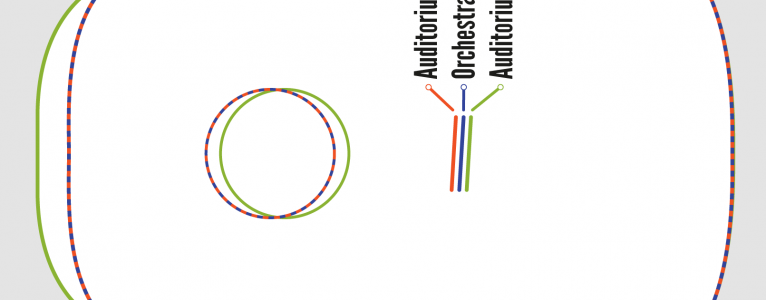
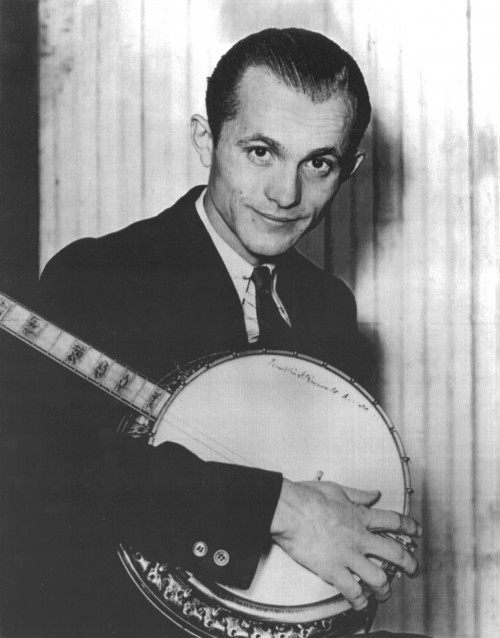 I’ve been reading up on the early history of the instruments, and it’s pretty interesting. As I’ve mentioned elsewhere, the orchestra model was built in cooperation with Perry Bechtel, virtuoso plectrum banjo player. He approached Martin Guitars in 1929, wanting a guitar with a long scale length (27″!) and 15 frets clear of the body, based on the largest guitar that Martin made at the time, the 000.